
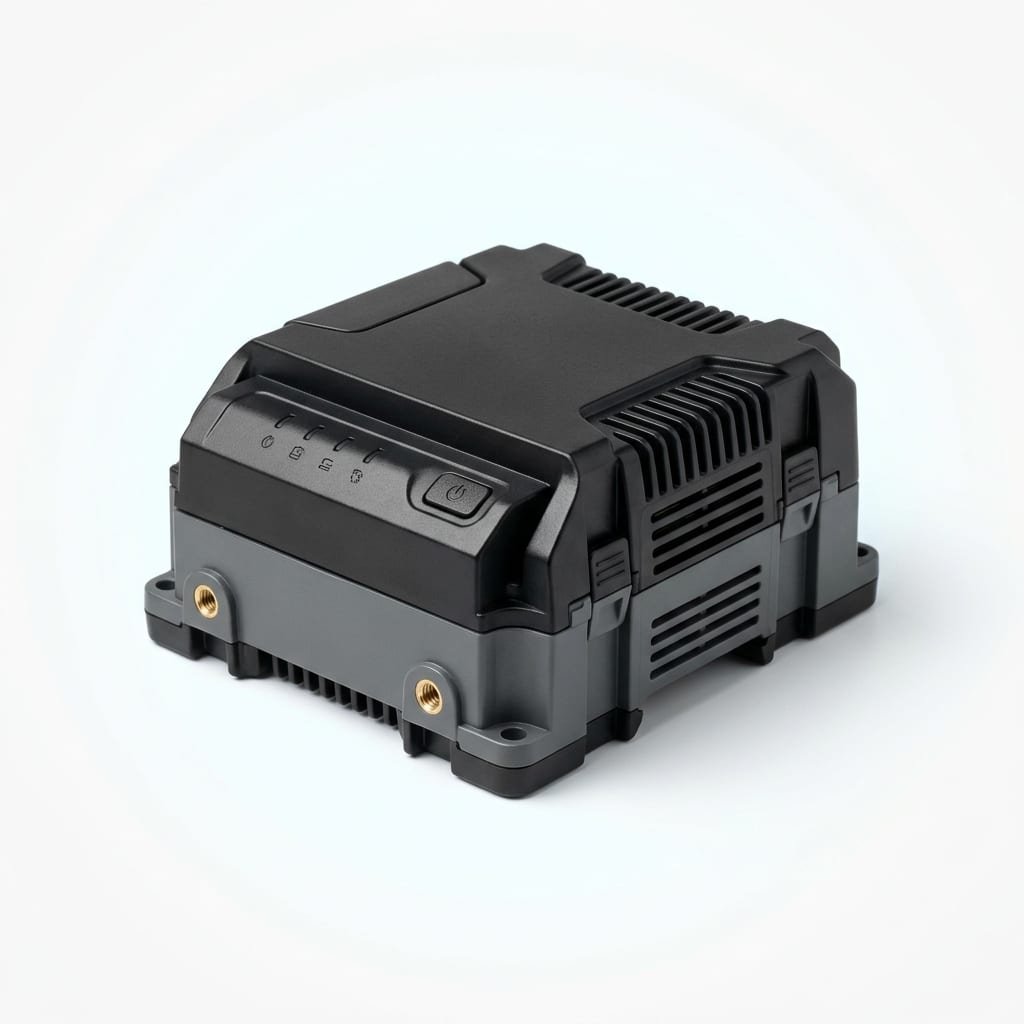
Comprehensive overview of precision plastic injection molding tolerances (±0.02mm), high-performance engineering resin selection, and micro-cavity tooling guidelines.
Precision injection molding differs fundamentally from standard commercial molding through its ability to hold micro-tolerances (down to ±0.01 mm to ±0.02 mm), maintain part-to-part weight variations under 0.1%, and replicate sub-micron surface finishes. Utilized extensively across aerospace avionics, medical microfluidics, fiber-optic connectors, and precision automotive sensors, precision molding requires synchronized electric molding presses, temperature-controlled multi-cavity tooling, and advanced in-cavity pressure transducers.
- Precision molding achieves linear tolerances down to ±0.01 mm using hardened S136 / H13 tooling.
- All-electric servo presses eliminate hydraulic oil viscosity shifts, ensuring 99.9% repeatability.
- Closed-loop in-cavity pressure sensors govern V-P switchover at the exact moment of cavity fill.
1. Dimensional Tolerances: Standard vs. Precision Molding
Standard commercial molding tolerances typically hover around ±0.1 mm to ±0.2 mm. Precision injection molding tightens this by nearly an order of magnitude:
- Linear Dimensions: ±0.01 mm to ±0.025 mm (DIN 16901 Grade 110 / ISO 20457).
- Concentricity & Runout: Under 0.015 mm TIR for planetary gear teeth and coaxial shafts.
- Part Weight Consistency: Repeatability within ±0.08% standard deviation over 100,000+ cycle production runs.
2. Tooling Steels & EDM Micro-Machining
Precision molds must resist deflection under clamp forces exceeding 200 tons and withstand abrasive fiber-filled polymers like PEEK and PPS-GF40:
- Core & Cavity Steels: Hardened Stavax ESR (S136), H13 (52-54 HRC), or CPM-10V powder metallurgical steel for maximum wear resistance and optical mirror polish (SPI A-1).
- Micro-EDM & High-Speed CNC: Machining electrode details with wire diameters down to 0.03 mm and 40,000 RPM high-speed milling spindle heads holding ±0.002 mm tool paths.
- Guided Ejection Systems: Ball-bearing guided ejector plates preventing pin galling and flash during high-speed cycle actuation.
3. All-Electric Press Technology & Closed-Loop Control
Hydraulic presses cannot match the sub-millisecond servo responsiveness required for precision micro-features:
- Servo-driven ball screws govern injection velocity within ±0.01 mm/s and screw position to within 0.001 mm.
- In-cavity piezoelectric pressure sensors trigger V-P (velocity-to-pressure) switchover based on real-time melt front arrival rather than timer or screw stroke approximations.
- Multi-zone mold temperature controllers maintain cavity temperatures within ±0.5°C across all parting faces.
Actionable Manufacturing Recommendations
Prioritize consistent wall thickness, draft angles of at least 1.0° to 1.5°, and radius all sharp internal corners to R 0.5 mm or higher. Enstark provides complete mold flow analysis, CMM optical verification, and full PPAP Level 3 documentation for medical and automotive precision molding programs.
Need a competitive manufacturing quote?
Upload your 3D CAD files for instant pricing, engineering review, and automated DFM feedback.