Enstark Logo
FDM 3D Printing Services

FDM 3D Printing Services

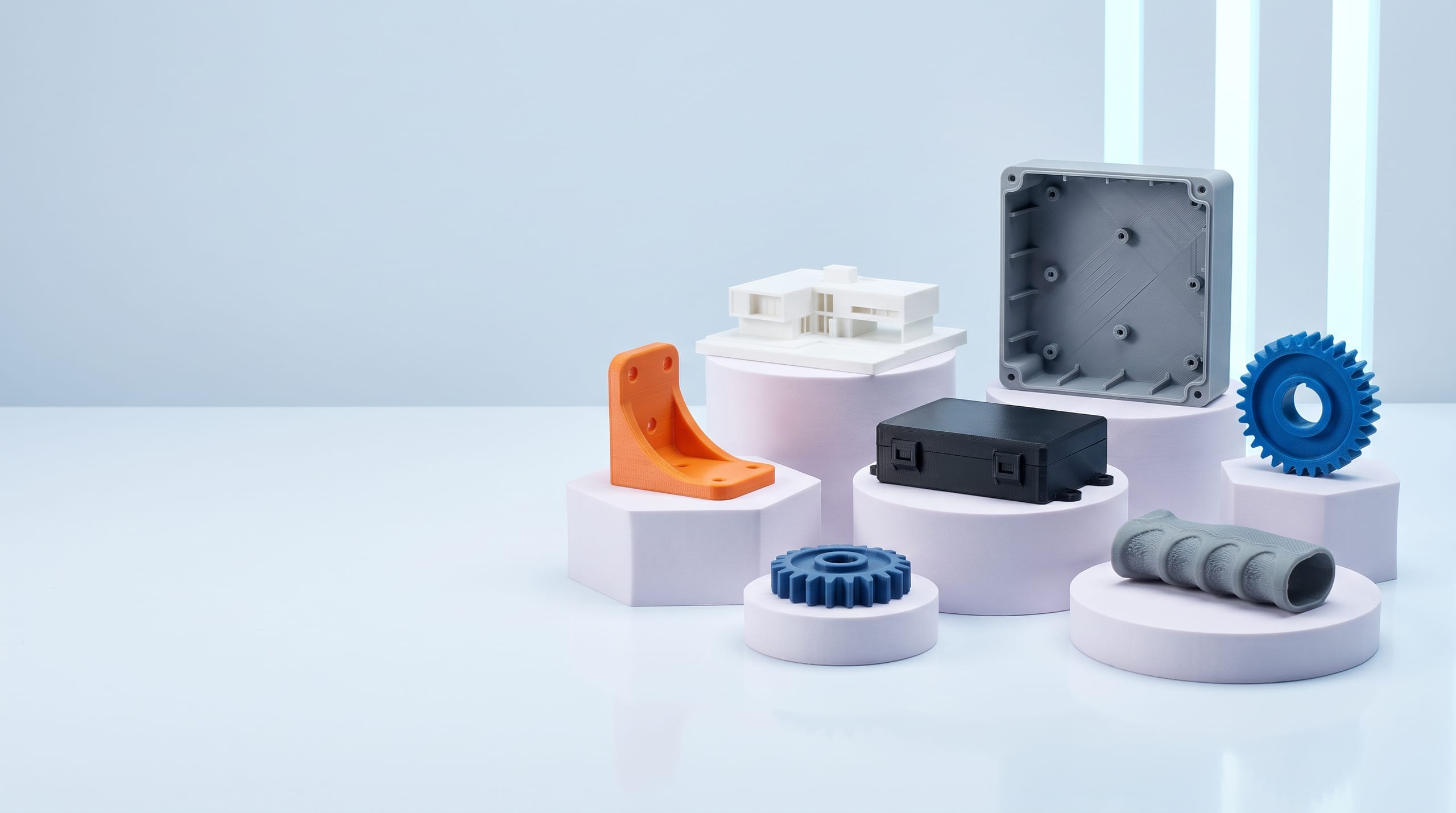
Enstark produces functional prototypes, jigs, fixtures and low-volume end-use parts from real engineering thermoplastics, from everyday ABS to high-temperature PEEK. Our industrial heated-chamber FDM printers deliver strong, dimensionally stable parts in as little as two business days.

Get an Instant FDM 3D Printing Quote

Upload your CAD file for instant pricing and DFM feedback.

Drag & drop CAD files hereSTEP, STP, STL, IGS, IGES, PDF, ZIP — up to 15MB
No commitment required · DFM feedback included
Huawei Technologies
Samsung Electronics
Tata Motors
Delta Electronics
Lens Technology
Eveready Industries
Beijing Institute of Technology
Ansell LTD
NRTC
Chantelle
PT Wings Surya
PT Sun Paper Source
PT Supreme Paper Solution
Huawei Technologies
Samsung Electronics
Tata Motors
Delta Electronics
Lens Technology
Eveready Industries
Beijing Institute of Technology
Ansell LTD
NRTC
Chantelle
PT Wings Surya
PT Sun Paper Source
PT Supreme Paper Solution
Design Guide
Max dimension250 × 250 × 400 mm
Layer Thickness0.1–0.33 mm
Tolerances±0.2 mm or ±0.2%
Wall Thickness
1.2 mm minimum (0.8 mm for non-load-bearing walls)
Min Feature Size
2.0 mm; engraved or embossed text 1 mm deep
Surface Finish Options
As-printed, sanded, vapor-smoothed (ABS), primed & painted, epoxy-coated, heat-set inserts
Design advice
1/ Keep overhangs above 45°Surfaces angled lower than 45° from horizontal need support material, which leaves rough witness marks. Chamfer bottom edges instead of filleting them. Replace flat hole ceilings with teardrop or diamond profiles so the part can print self-supported.
2/ Orient for load, not looksFDM parts are anisotropic: bonds between layers are weaker than the extruded lines within a layer. Tell us the main load direction, and we will orient the part so stress runs along the layers rather than pulling them apart.

FDM 3D Printing Materials

We run four engineering-grade filaments chosen to cover most FDM applications, from general-purpose housings to aerospace brackets that replace metal.
ABS Plastic
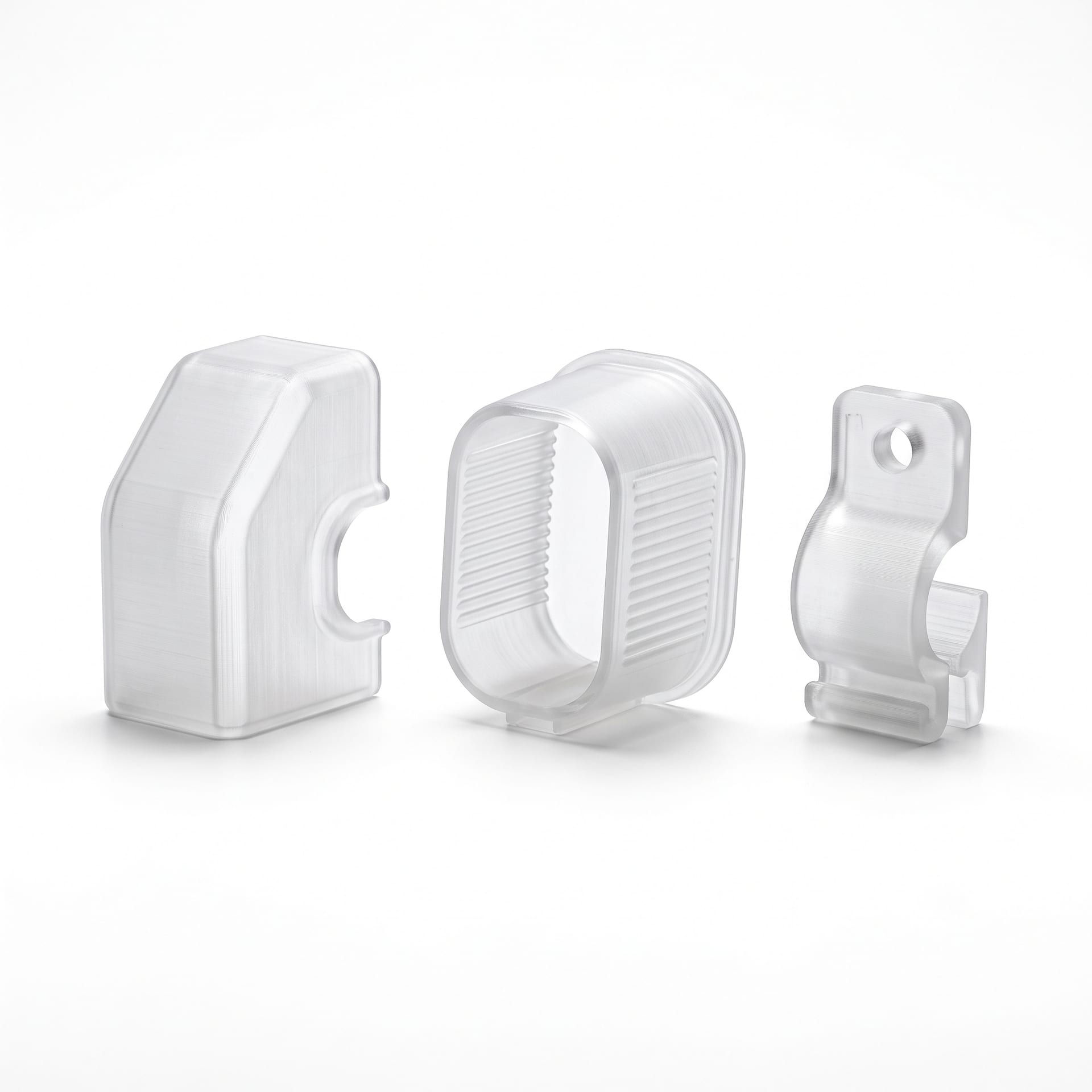
A tough, impact-resistant thermoplastic with good machinability and a heat deflection temperature of around 95 °C. It is the most economical choice for enclosures, automotive interior prototypes and functional parts that need drilling, tapping or vapor smoothing.
Black / White / Grey
Color
$
Price
From 2 business days
Lead Time
ABS Plastic
With 30 years of manufacturing experience, we manage the complete production cycle through one accountable engineering team.Why Enstark for FDM 3D PrintingEvery project is reviewed according to its size, weight, material, geometry and critical requirements.
300+Sets of Machine
120+Countries Shipped
20k+Customers Served
Global Shipping World Map
Enstark Online 3D Printing Service SolutionsGet Quote
3D Printing/01
Move from CAD to physical part in days. Validate form, fit and function with MJF, SLA, DLP and other additive processes, then iterate quickly before committing to tooling.
3D Printing Solution
Vacuum Casting/02
Need 20 to 50 production-quality parts? Vacuum casting from silicone molds gives near-molded surfaces and a wide range of urethane properties for pilot runs and market trials.
Vacuum Casting Solution
Injection Molding/03
When volumes reach the thousands, injection molding delivers the lowest unit cost and tight repeatability. We help you move from printed parts to production tooling without redesign surprises.
Injection Molding

FDM Post-Processing Capabilities

Printed parts can ship straight off the machine or go through finishing for appearance, sealing or assembly.

Scroll horizontally to view finishes →
Finishing Process
Surface Roughness
Dimensional Change
Primary Application / Benefit
As-Printed (supports removed)
10–20 µm
None
Fastest and lowest cost; fixtures and internal parts
Light Sanding
3.2–6.3 µm
−0.05 to −0.1 mm
Removes support marks; comfortable handling surfaces
Fine Sanding
1.6–3.2 µm
−0.1 to −0.2 mm
Paint preparation; ergonomic and visible faces
Vapor Smoothing (ABS)
0.8–1.6 µm
Slight edge rounding
Glossy, sealed surface with no visible layer lines
Primer & Paint
1.0–2.0 µm
+50 to +100 µm
Color matching to Pantone/RAL; presentation models
Epoxy Coating
0.8–1.6 µm
+100 to +200 µm
Seals porosity; fluid and abrasion resistance
Heat-Set Threaded Inserts
N/A
N/A
Metal threads for repeated assembly and disassembly

Why Choose Us

Enstark is a trusted provider of industrial FDM printing, combining production-grade equipment with engineers who understand how printed plastic behaves under load.

/01
High Quality Parts
Heated-chamber printers, moisture-controlled filament and a first-article dimensional check keep parts within ±0.2 mm and free of warping or delamination.
High Quality Parts
/02
Fast Lead Time
Upload your CAD file for a quick quote. Standard ABS and PC parts ship in 2–3 business days, and expedited scheduling is available for urgent line-down requests.
Fast Lead Time
/03
Engineering-Driven Support
Our free DFM review flags thin walls, unsupported overhangs and weak orientations before printing. When a better filament exists for your application, we recommend it.
Engineering-Driven Support

What is FDM 3D Printing?

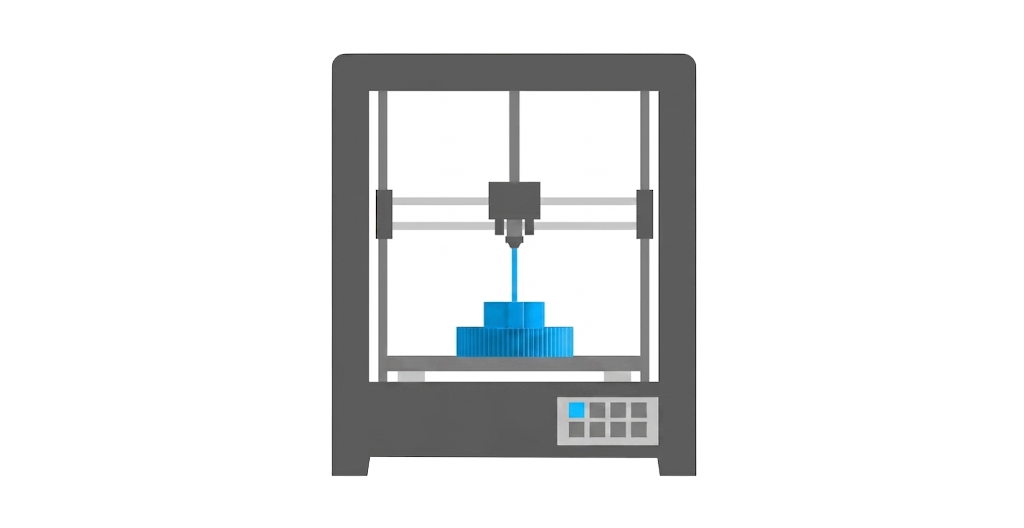
Fused Deposition Modeling (FDM), also called Fused Filament Fabrication (FFF), is an additive manufacturing process that melts thermoplastic filament and extrudes it through a heated nozzle, building a part one layer at a time. FDM uses the same polymer families as injection molding, including ABS, polycarbonate and PEEK.

✓Material traceability
✓Batch consistency for production runs
✓In-process quality control
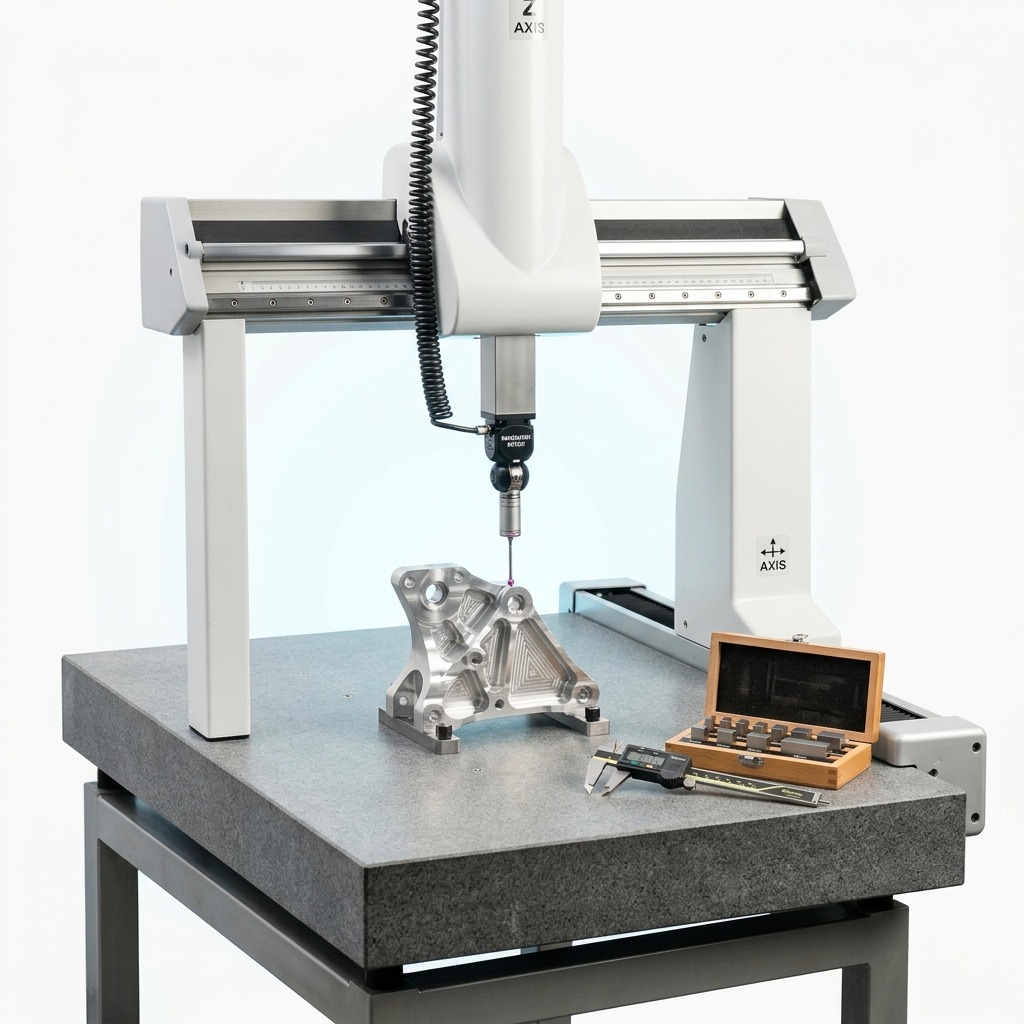
✓Dimensional inspection before shipment
✓Tolerances up to ±0.1 mm
✓Final inspection before delivery

Pros and Cons of FDM 3D Printing

Pros of FDM 3D Printing

Lowest Cost for Large Parts

Lowest cost per part for large, functional components.

Real Engineering Thermoplastics

Real production thermoplastics, including high-temperature PEEK and carbon fiber blends.

Large Build Volume & Adjustable Infill

Large parts with no tooling, and adjustable infill to trade weight and strength.
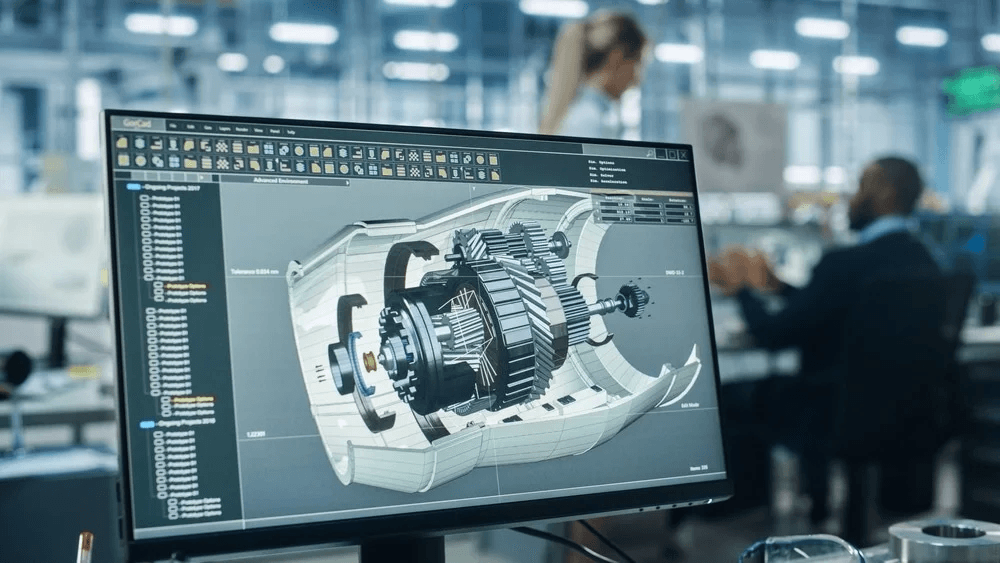
FDM 3D Printing Process

Cons of FDM 3D Printing

Visible Layer Lines

Visible layer lines; cosmetic parts need post-processing sanding or vapor smoothing.

Anisotropic Layer Strength

Anisotropic strength, with Z-axis layer bonding weaker than in-plane extrusions.

Support Witness Marks

Overhangs below 45° require supports which leave surface witness marks.
frequently Asked Questions.
Frequently Asked Questions
What is FDM 3D printing best used for?

FDM is best for functional prototypes, manufacturing aids and low-volume end-use parts where strength and cost matter more than surface finish. Common examples include jigs, fixtures, enclosures, brackets and large parts that would be expensive to produce with resin or powder processes.

How accurate is FDM 3D printing?
How strong are FDM parts compared to injection-molded parts?
Should I choose FDM, SLA or SLS?
How much does FDM 3D printing cost?
What file formats do you accept?
What is the largest part you can print with FDM?
Can FDM parts be watertight or used outdoors?

FDM 3D Printing Technical Resources

View All Articles