Enstark Logo
MJF 3D Printing Services

MJF 3D Printing Services

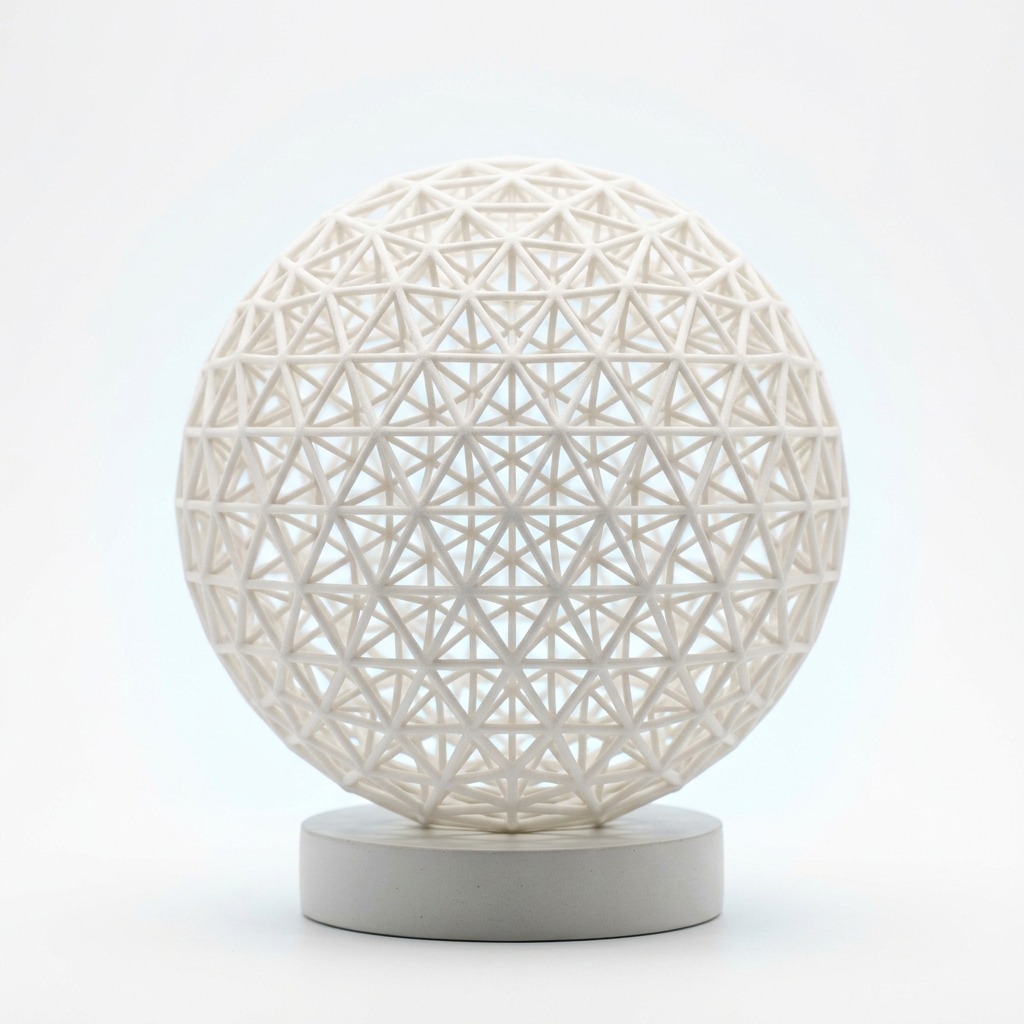
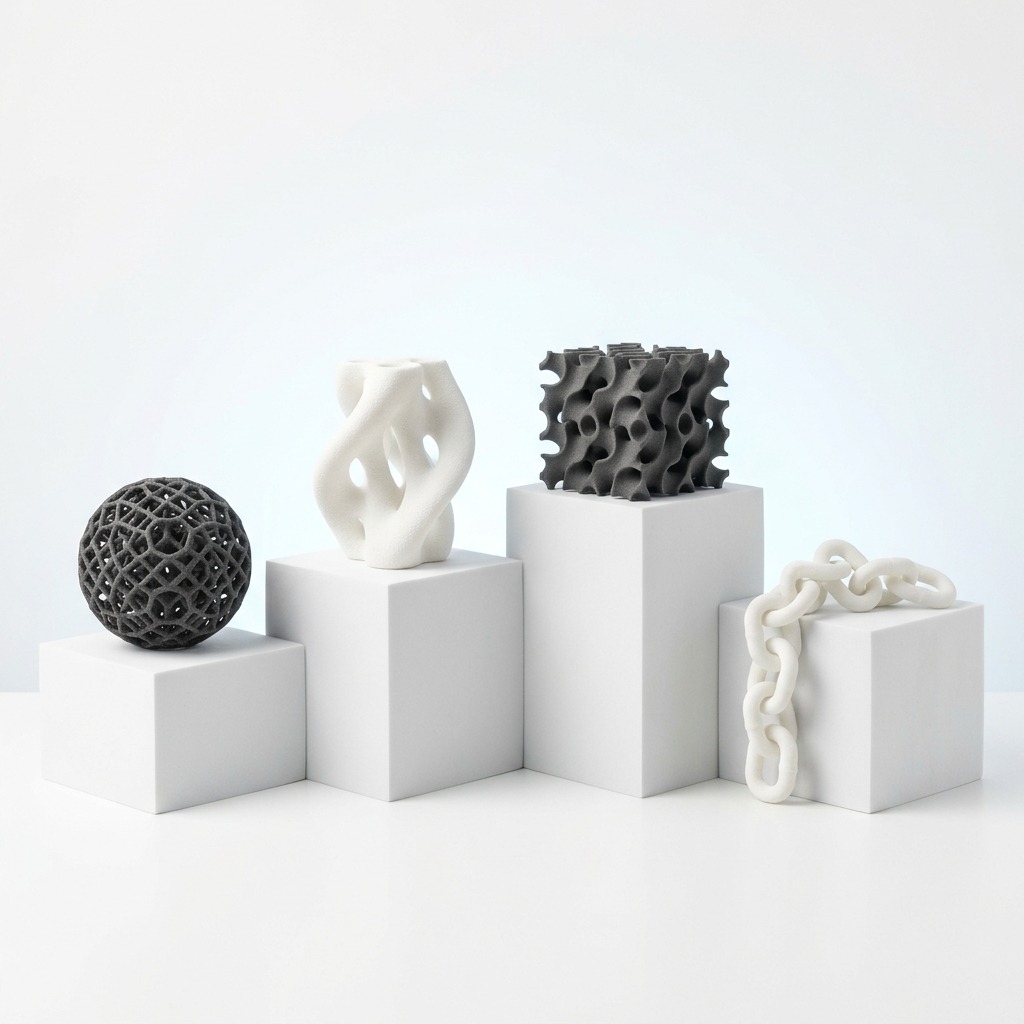
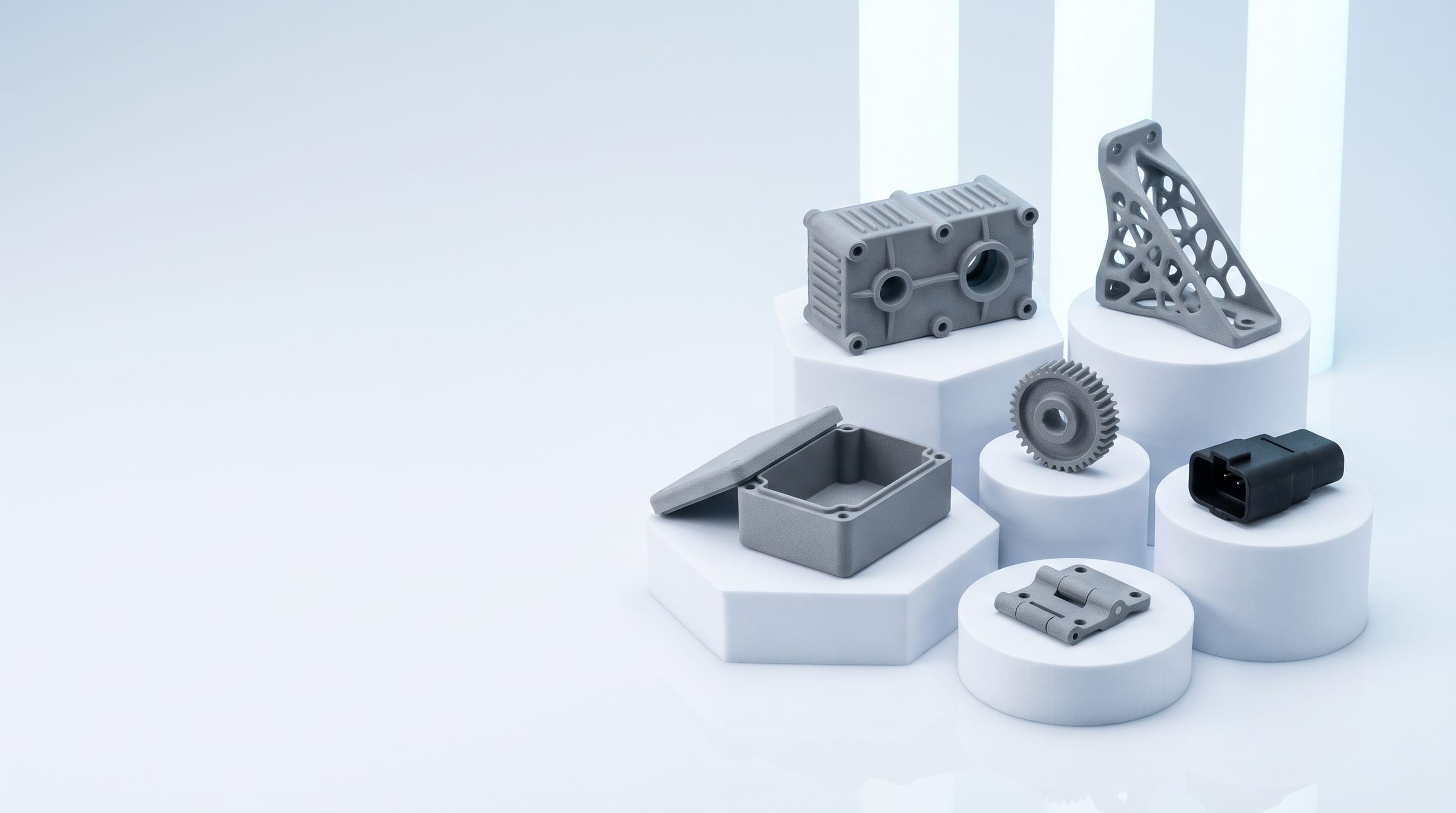
Get strong, production-grade nylon parts built on HP Multi Jet Fusion. We print functional prototypes and end-use batches in PA 12, PA 11, glass bead PA 12 and TPU, with consistent mechanical properties, fine feature detail and zero tooling cost.

Get an Instant MJF 3D Printing Quote

Upload your CAD file for instant pricing and DFM feedback.

Drag & drop CAD files hereSTEP, STP, STL, IGS, IGES, PDF, ZIP — up to 15MB
No commitment required · DFM feedback included
Huawei Technologies
Samsung Electronics
Tata Motors
Delta Electronics
Lens Technology
Eveready Industries
Beijing Institute of Technology
Ansell LTD
NRTC
Chantelle
PT Wings Surya
PT Sun Paper Source
PT Supreme Paper Solution
Huawei Technologies
Samsung Electronics
Tata Motors
Delta Electronics
Lens Technology
Eveready Industries
Beijing Institute of Technology
Ansell LTD
NRTC
Chantelle
PT Wings Surya
PT Sun Paper Source
PT Supreme Paper Solution
Design Guide
Max dimension380 × 284 × 380 mm
Layer Thickness0.08 mm
Tolerances±0.3 mm
Wall Thickness
1.0 mm recommended (0.5 mm minimum for short features)
Min Feature Size
0.5 mm (1.0 mm for embossed text)
Surface Finish Options
Bead Blasting, Dyeing, Vapor Smoothing, Tumbling, Painting
Design advice
1/ Hollow Thick SectionsMJF needs no support structures, but solid areas thicker than 20 mm hold heat and can sink or warp. Core out heavy sections, keep walls uniform and add powder escape holes around 5 mm wide.
2/ Plan Clearances for Moving PartsLeave at least 0.5 mm between mating surfaces, and 0.7 mm or more for print-in-place hinges and assemblies, so neighboring features do not fuse together during the build.

MJF 3D Printing Materials

Our MJF materials are HP-certified engineering thermoplastics chosen for real service conditions. PA 12 offers balanced strength, PA 11 adds ductility and impact resistance, glass bead PA 12 adds stiffness, and TPU covers flexible, elastomeric parts.
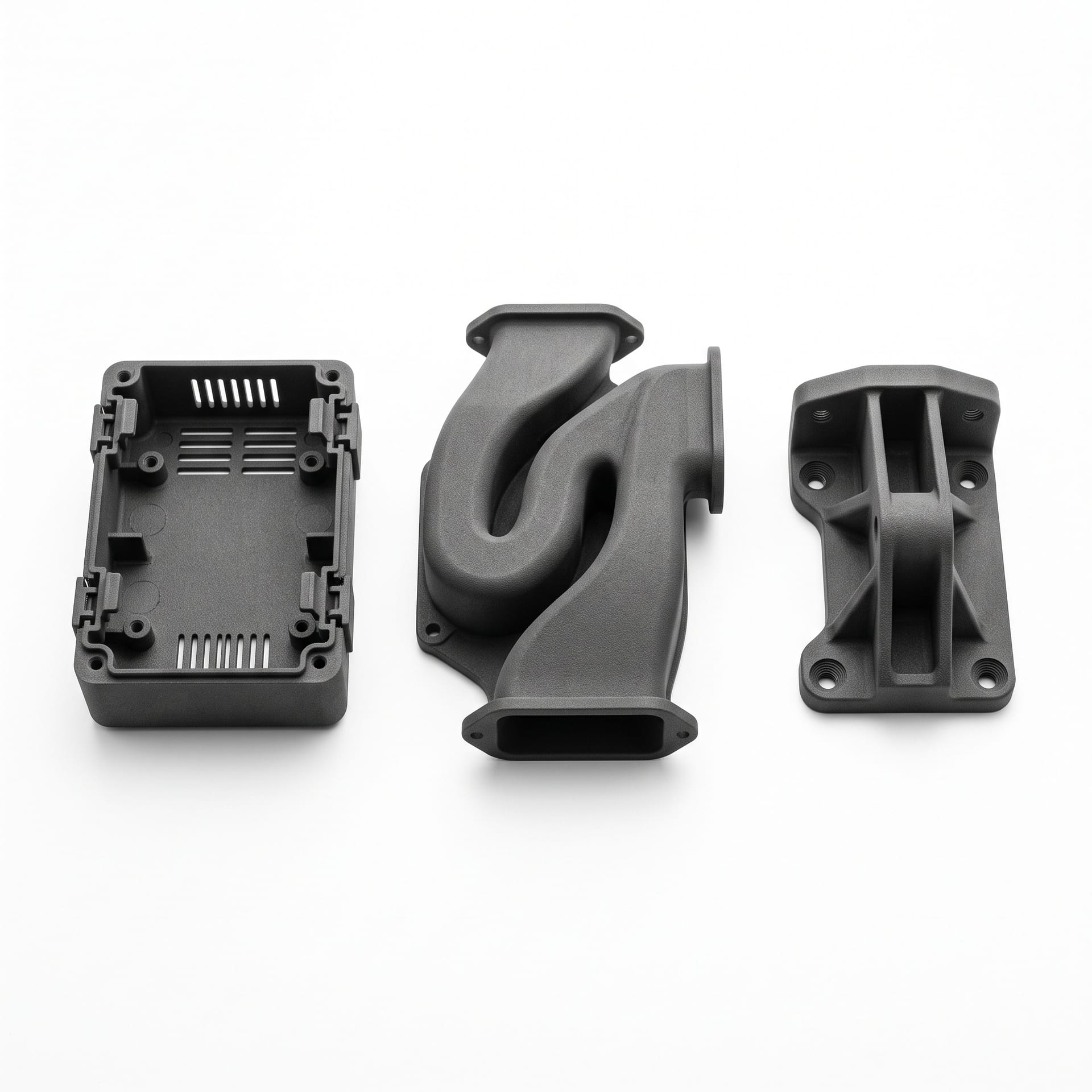
HP PA 12 Nylon
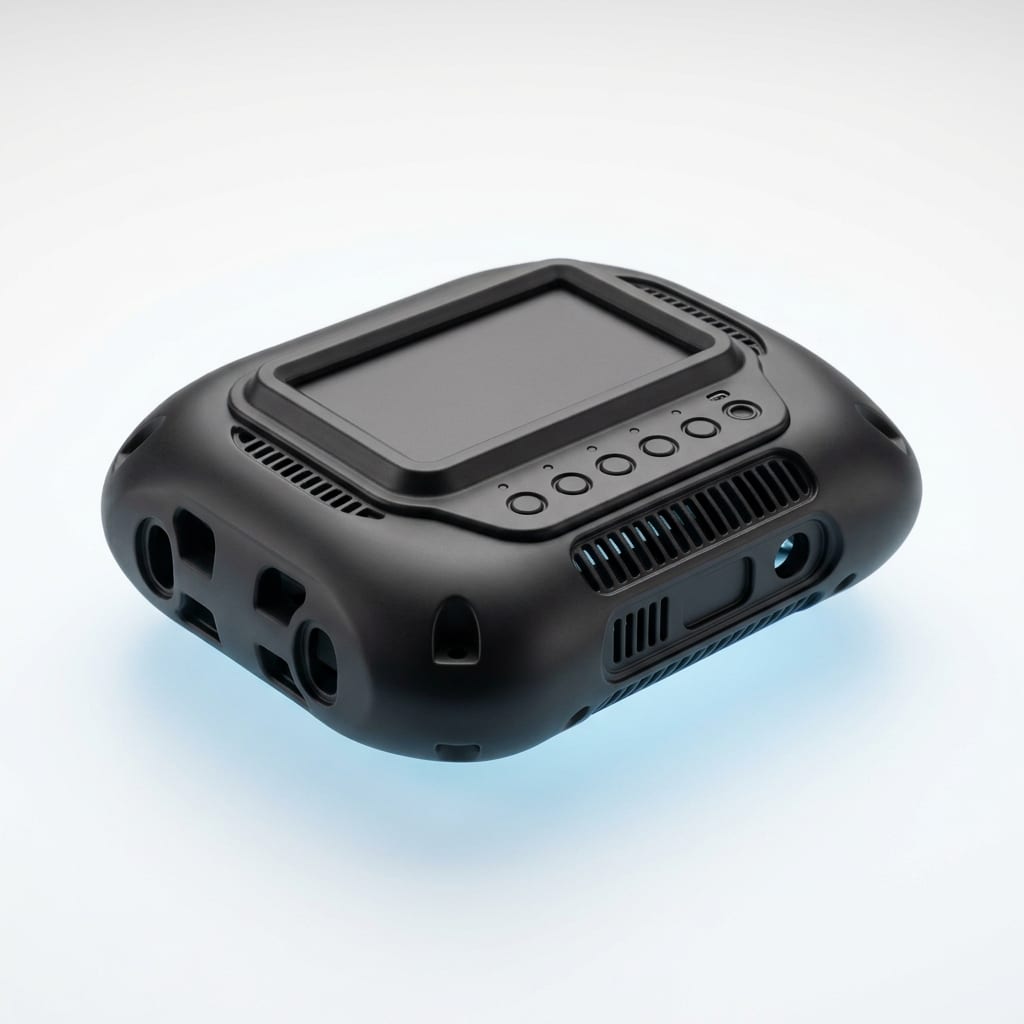
The workhorse of Multi Jet Fusion. PA 12 produces dense, low-porosity parts with strong resistance to oils, greases and many chemicals. It is the default choice for housings, brackets, clips and functional assemblies.
Grey, Dyed Black
Color
1 day
Price
About 4 business days
Lead Time
HP PA 12 Nylon
With 30 years of manufacturing experience, we manage the complete production cycle through one accountable engineering team.Why Enstark for MJF 3D PrintingEvery project is reviewed according to its size, weight, material, geometry and critical requirements.
300+Sets of Machine
120+Countries Shipped
20k+Customers Served
Global Shipping World Map
Enstark Online 3D Printing Service SolutionsGet Quote
3D Printing/01
Move from CAD to physical part in days. Validate form, fit and function with MJF, SLA, DLP and other additive processes, then iterate quickly before committing to tooling.
3D Printing Solution
Vacuum Casting/02
Need 20 to 50 production-quality parts? Vacuum casting from silicone molds gives near-molded surfaces and a wide range of urethane properties for pilot runs and market trials.
Vacuum Casting Solution
Injection Molding/03
When volumes reach the thousands, injection molding delivers the lowest unit cost and tight repeatability. We help you move from printed parts to production tooling without redesign surprises.
Injection Molding

MJF 3D Printing Capabilities

Compare MJF post-processing options by surface roughness, dimensional impact and best use, so you can pick the finish that fits your part.

Scroll horizontally to view finishes →
Finishing Process
Surface Roughness
Dimensional Change
Primary Application / Benefit
Standard (Depowdered + Bead Blasted)
Ra 6.3 to 10 µm
None
Functional prototypes, internal components
Dyed Black
Same as base
None
Uniform color for visible end-use parts
Vapor Smoothing
Ra 1 to 2.5 µm
Minimal, edges softened
Sealed, easy-clean surfaces for consumer and medical devices
Tumbling (Vibratory Polishing)
Ra 3 to 5 µm
Up to 0.1 mm removed
Smoother outer faces on robust parts
Primer + Painting
Ra 1.6 to 3.2 µm
+50 to 100 µm
Cosmetic housings in custom colors
Sealing Coating
Ra 3 to 6 µm
+10 to 30 µm
Watertight ducts and fluid-handling parts
Heat-Set Threaded Inserts
Not applicable
No change
Durable metal threads for repeated assembly
CNC Machining of Critical Features
Ra 1.6 to 3.2 µm
Machined to drawing
Tight-tolerance bores and sealing faces

Why Choose Us

Enstark combines industrial Multi Jet Fusion capacity with engineering support and in-house finishing, so your nylon parts arrive ready for assembly, testing or sale.

/01
Production-Grade Nylon Parts
Parts are printed on industrial MJF systems with controlled powder refresh and cooling cycles. The result is dense, consistent parts with mechanical performance close to published material data.
Production-Grade Nylon Parts
/02
Fast Batch Turnaround
Upload your CAD file and receive a quote with DFM notes. Standard MJF orders ship in about 4 to 6 business days, and larger batches are split across builds to protect your delivery date.
Fast Batch Turnaround
/03
Engineering-Driven Support
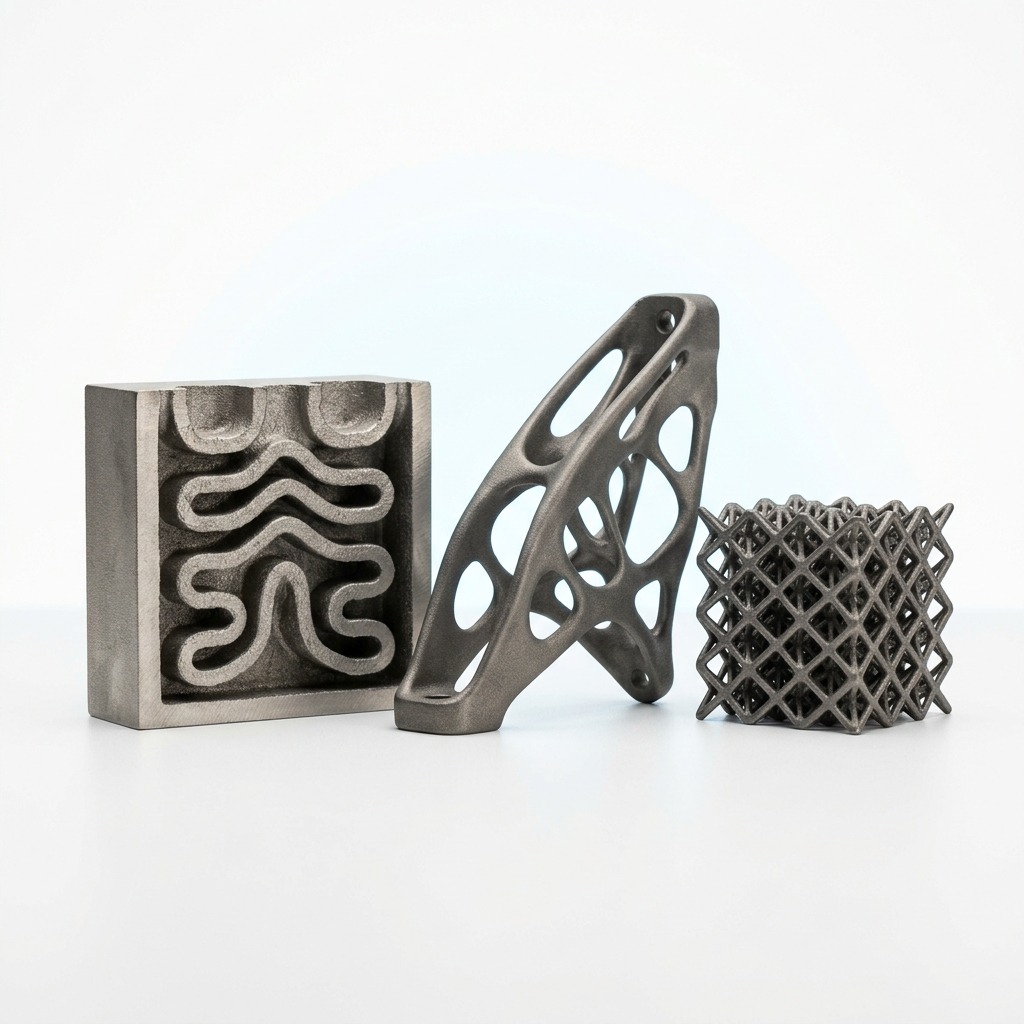
Our engineers check wall thickness, clearances and orientation on every order. They suggest hollowing or lattices where it cuts cost and advise when injection molding becomes the better option.
Engineering-Driven Support

What's MJF 3D Printing ?

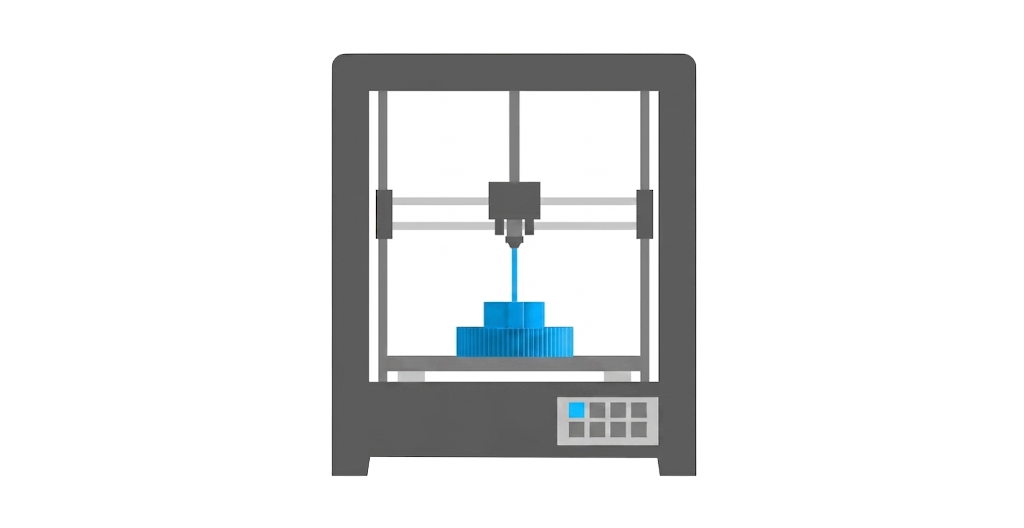
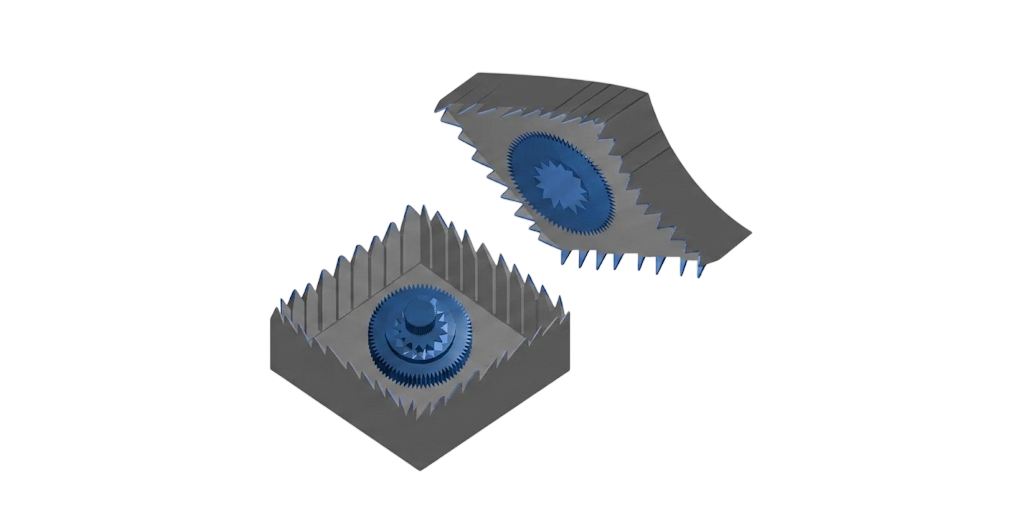
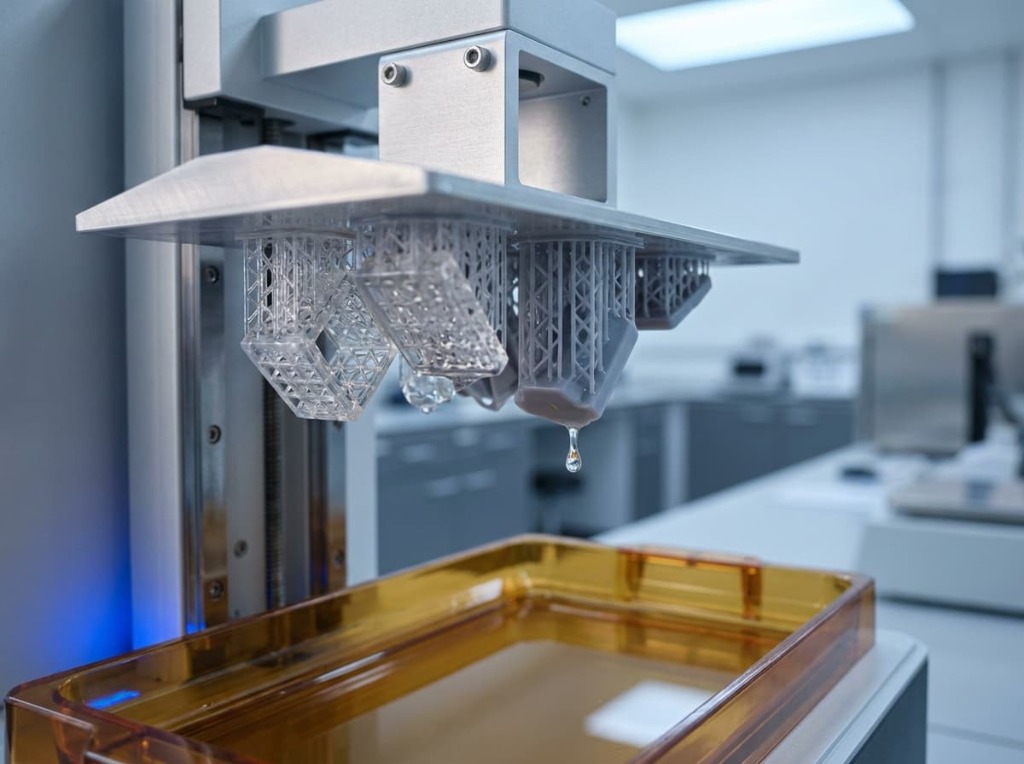
Multi Jet Fusion (MJF) is an HP powder bed fusion process. A thin layer of nylon powder is spread across the build area, and an inkjet array deposits fusing and detailing agents. Infrared energy then fuses each layer. Unfused powder supports the part, so complex geometry prints without support structures.

✓Material traceability
✓Batch consistency for production runs
✓In-process quality control
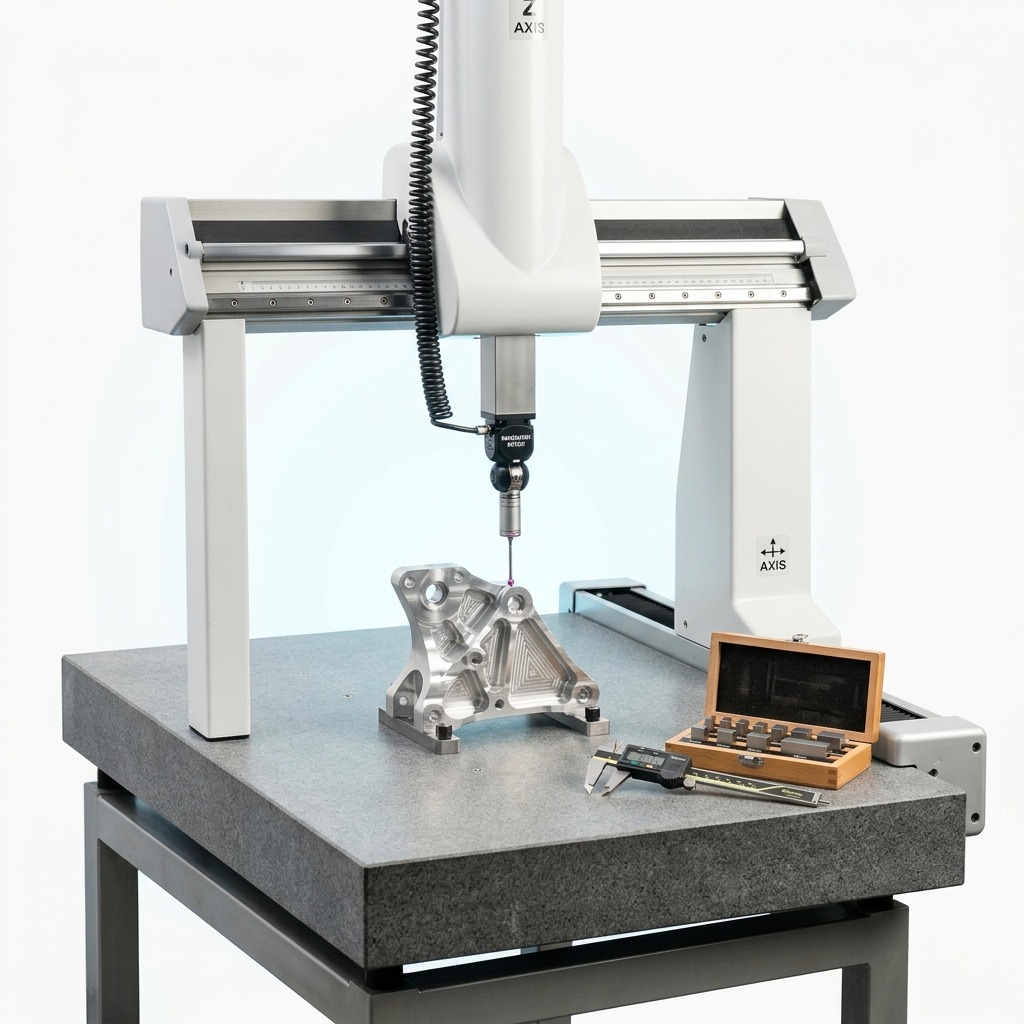
✓Dimensional inspection before shipment
✓Tolerances up to ±0.1 mm
✓Final inspection before delivery

Pros and Cons of MJF 3D Printing

Pros of MJF 3D Printing

Nearly Isotropic Properties

Nearly isotropic mechanical properties across the X, Y and Z axes.

No Support Structures

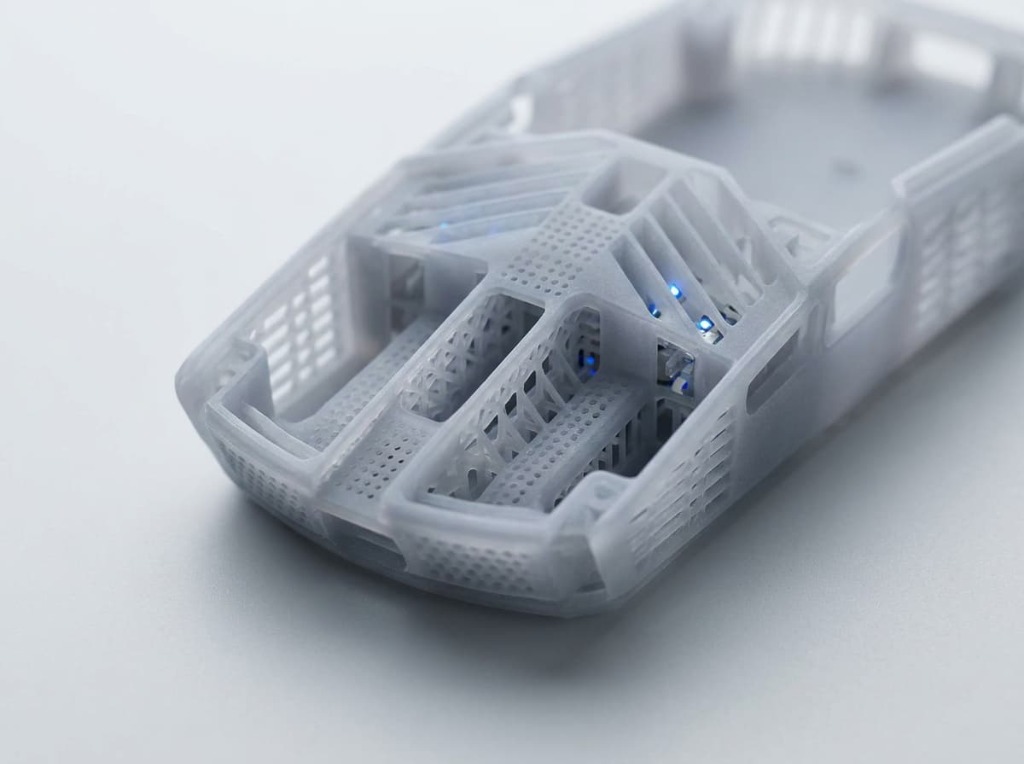
No support structures, so internal channels, interlocking parts and dense nesting are possible.

Economical Batch Production

Low cost per part for batches from 10 to 1,000+ units.
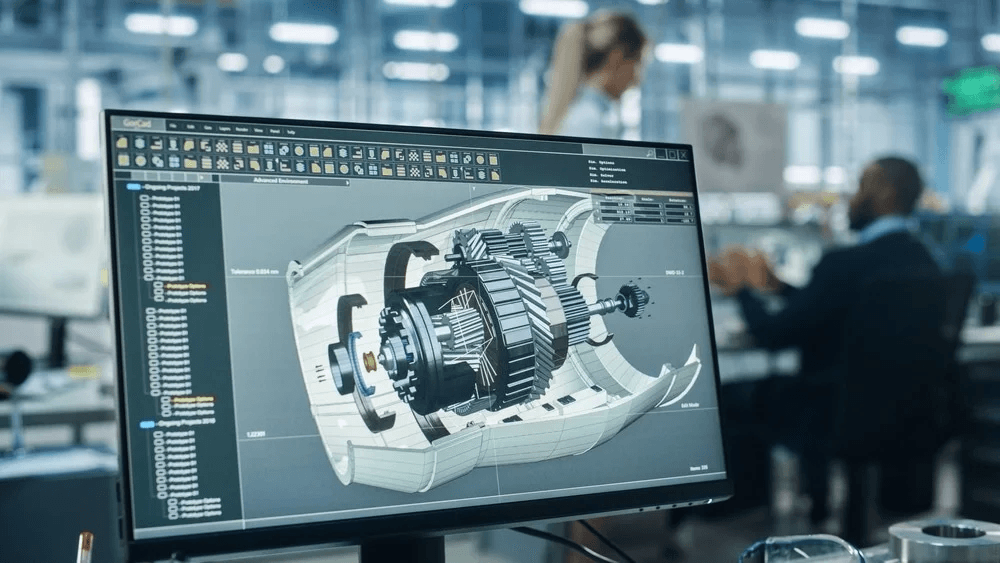
MJF 3D Printing Process

Cons of MJF 3D Printing

Grainy Surface Finish

The natural finish is grey with a slightly grainy texture, so cosmetic colors need dyeing or painting.

Not for Thin/Clear Parts

It is not suitable for transparent parts or walls thinner than 0.5 mm.

Warpage Risk on Large Flats

Large flat or very thick sections can warp without design adjustment.
frequently Asked Questions.
Frequently Asked Questions
What is the difference between MJF and SLS?

Both fuse nylon powder without supports. MJF fuses whole layers using agents and infrared energy, while SLS uses a laser. As a result, MJF usually builds faster, gives finer detail and more consistent properties, and costs less at batch volumes.

How accurate are MJF parts?
What finishes are available for MJF parts?
Can MJF replace injection molding for low-volume production?
What file formats do you accept?

MJF 3D Printing Technical Resources

View All Articles