Enstark Logo
SLA 3D Printing Services

SLA 3D Printing Services

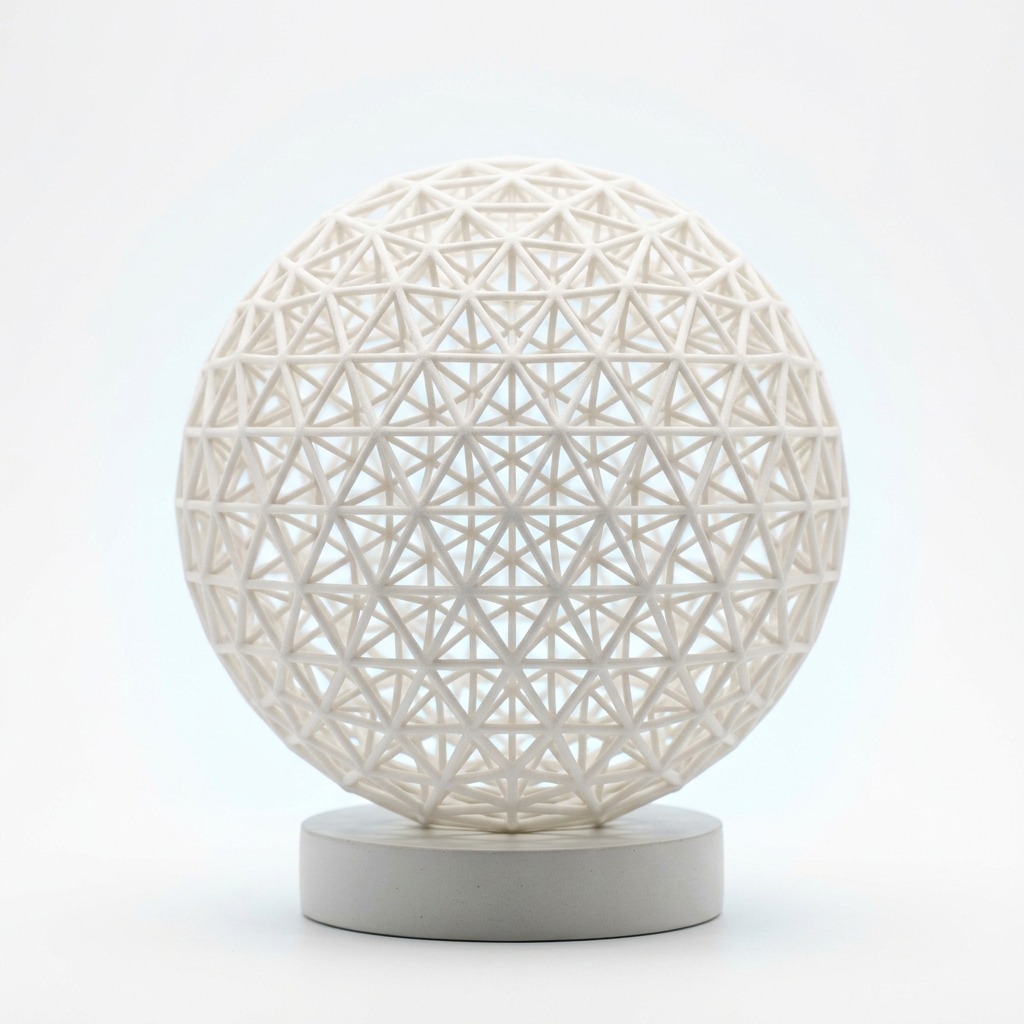
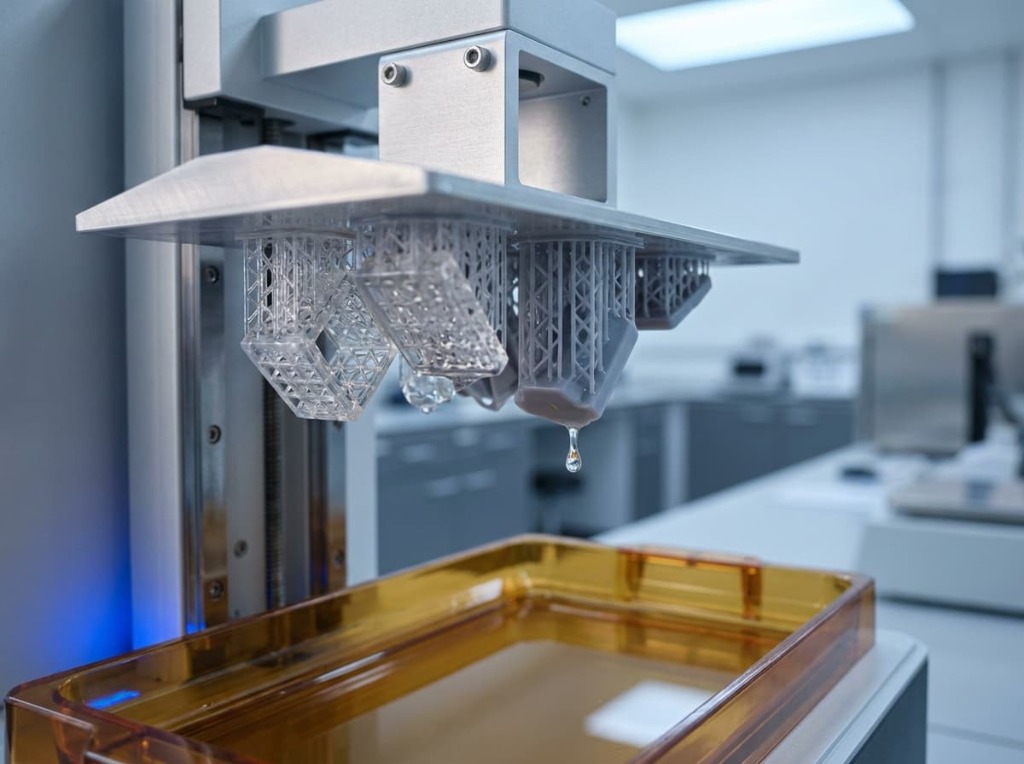
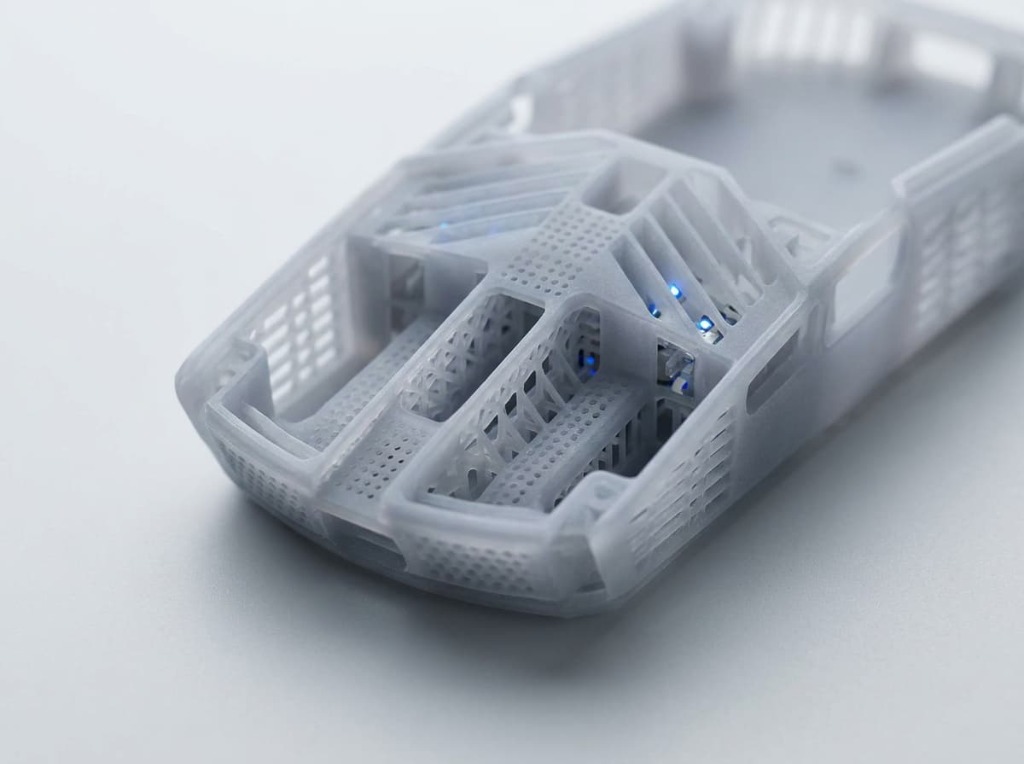
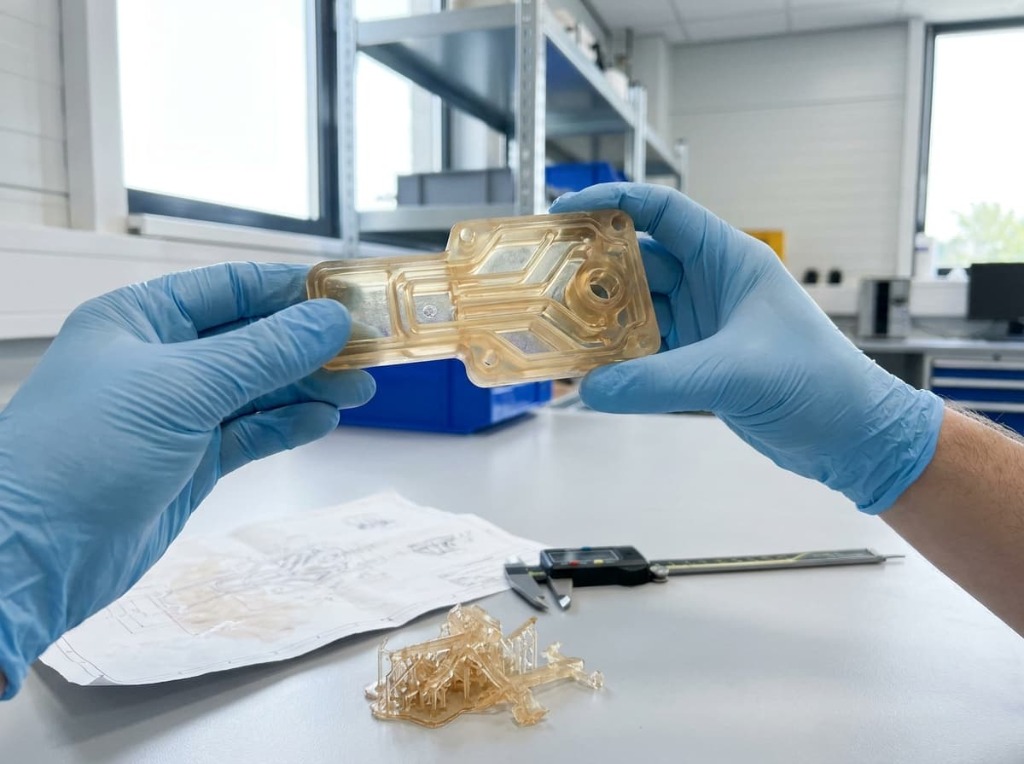
When a part has to look right as well as fit right, SLA is the answer. Enstark's stereolithography printers cure liquid photopolymers with a UV laser at layers as fine as 25 micrometres. The result is crisp detail, smooth surfaces, clear parts and castable patterns for jewelry and investment casting.

Get an Instant SLA 3D Printing Quote

Upload your CAD file for instant pricing and DFM feedback.

Drag & drop CAD files hereSTEP, STP, STL, IGS, IGES, PDF, ZIP — up to 15MB
No commitment required · DFM feedback included
Huawei Technologies
Samsung Electronics
Tata Motors
Delta Electronics
Lens Technology
Eveready Industries
Beijing Institute of Technology
Ansell LTD
NRTC
Chantelle
PT Wings Surya
PT Sun Paper Source
PT Supreme Paper Solution
Huawei Technologies
Samsung Electronics
Tata Motors
Delta Electronics
Lens Technology
Eveready Industries
Beijing Institute of Technology
Ansell LTD
NRTC
Chantelle
PT Wings Surya
PT Sun Paper Source
PT Supreme Paper Solution
Design Guide
Max dimension800 × 800 × 600 mm
Layer Thickness0.025–0.1 mm
Tolerances±0.1 mm or ±0.15%
Wall Thickness
0.6 mm supported / 1.0 mm unsupported
Min Feature Size
0.2 mm embossed detail; 0.5 mm holes
Surface Finish Options
As-printed, sanded, clear-polished, primed & painted, UV clear coat, electroplated
Design advice
1/ Hollow and drain bulky partsSolid resin blocks waste material and can distort during curing. Hollow thick sections to a 2 mm shell and add at least two drain holes of 3.5 mm diameter or larger. This lets liquid resin escape and prevents suction forces from damaging the part mid-print.
2/ Mark your cosmetic facesSupports leave small contact points that must be sanded off. Identify your A-surfaces in the drawing, and we will orient the part so the support contacts fall on hidden or non-critical faces.

SLA 3D Printing Materials

Our resin library covers three needs: engineering resins that simulate production plastics, standard resins for high-detail visual models, and castable waxes that burn out cleanly for investment casting.
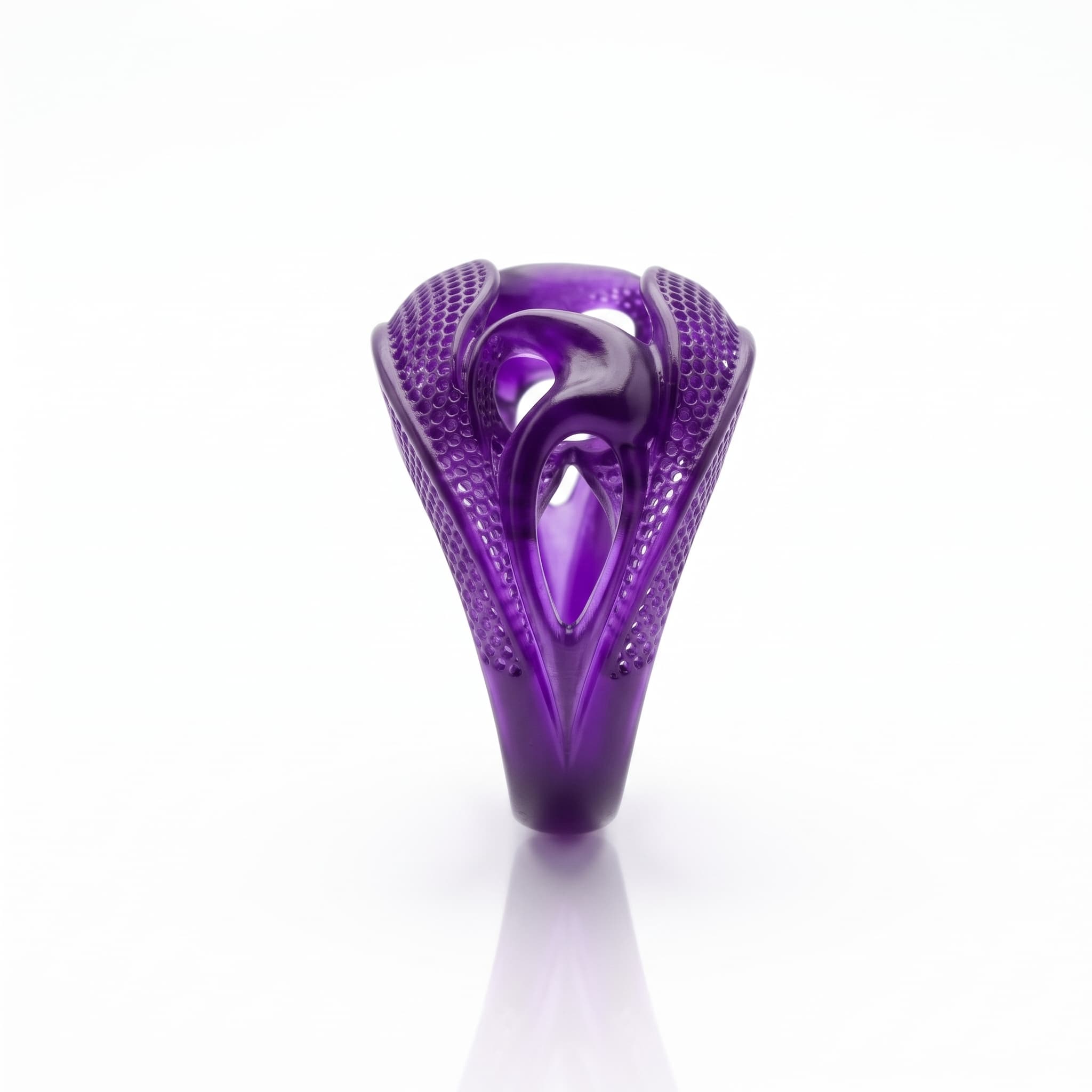
Purple Wax
A high-wax-content photopolymer for castable patterns in SLA and DLP processes. It captures intricate geometry and burns out cleanly with minimal ash, making it well suited to jewelry, dental frameworks and small investment-cast components.
Purple
Color
$$
Price
From 1 business day
Lead Time
Purple Wax
With 30 years of manufacturing experience, we manage the complete production cycle through one accountable engineering team.Why Enstark for SLA 3D PrintingEvery project is reviewed according to its size, weight, material, geometry and critical requirements.
300+Sets of Machine
120+Countries Shipped
20k+Customers Served
Global Shipping World Map
Enstark Online 3D Printing Service SolutionsGet Quote
3D Printing/01
Move from CAD to physical part in days. Validate form, fit and function with MJF, SLA, DLP and other additive processes, then iterate quickly before committing to tooling.
3D Printing Solution
Vacuum Casting/02
Need 20 to 50 production-quality parts? Vacuum casting from silicone molds gives near-molded surfaces and a wide range of urethane properties for pilot runs and market trials.
Vacuum Casting Solution
Injection Molding/03
When volumes reach the thousands, injection molding delivers the lowest unit cost and tight repeatability. We help you move from printed parts to production tooling without redesign surprises.
Injection Molding

SLA Post-Processing Capabilities

SLA starts with the smoothest surface of any polymer printing process. The finishes below take it further, all the way to optical clarity or a metallic coating.

Scroll horizontally to view finishes →
Finishing Process
Surface Roughness
Dimensional Change
Primary Application / Benefit
As-Printed (supports removed)
1–3 µm (small support marks)
None
Fastest option; fit checks and internal parts
Sanded
0.8–1.6 µm
−0.05 to −0.1 mm
Uniform matte finish with support marks removed
Clear Polishing
0.1–0.4 µm
−0.05 to −0.1 mm
Optical clarity for lenses, light pipes and fluidics
Primer & Paint
0.8–1.6 µm
+50 to +100 µm
Color matching, soft-touch and texture effects
UV-Resistant Clear Coat
0.4–0.8 µm
+20 to +50 µm
Slows yellowing; adds gloss and protection
Electroplating (Cu/Ni/Cr)
0.2–0.8 µm
+25 to +100 µm
Metallic appearance, conductivity and added stiffness

Why Choose Us

Designers, engineers and jewelers choose Enstark's SLA service for detail they can present, and patterns they can cast.

/01
High Quality Parts
Layers down to 25 µm, calibrated lasers and controlled wash-and-cure cycles produce smooth, accurate parts within ±0.1 mm.
High Quality Parts
/02
Fast Lead Time
Standard resin and castable wax parts can ship in as little as one business day. Engineering resins ship in 2–3 business days.
Fast Lead Time
/03
Engineering-Driven Support
We plan orientation and supports around your cosmetic surfaces, advise on hollowing and drainage, and help jewelers optimize patterns for burnout.
Engineering-Driven Support

What is SLA 3D Printing?

Stereolithography (SLA) is a vat photopolymerization process in which a UV laser selectively cures liquid resin, solidifying a part one thin layer at a time. After printing, parts are washed and UV post-cured to reach their final properties. SLA was the first commercial 3D printing technology, and it still delivers the finest resolution and smoothest surfaces of any polymer process.

✓Material traceability
✓Batch consistency for production runs
✓In-process quality control
✓Dimensional inspection before shipment
✓Tolerances up to ±0.1 mm
✓Final inspection before delivery

Pros and Cons of SLA 3D Printing

Pros of SLA 3D Printing

Finest Resolution & Smooth Surface

Finest detail and smoothest surface of any plastic 3D printing process.

Dense & Watertight

Watertight, dense parts with excellent dimensional accuracy.

Transparent & Castable Options

Transparent optical clarity and clean-burnout castable wax resins available.

SLA 3D Printing Process

Cons of SLA 3D Printing

More Brittle than Thermographics

Most resins are more brittle than production engineering thermoplastics.

UV Degradation

Standard resins can yellow and degrade with prolonged UV exposure outdoors.

Support Contact Marks

Supports are always required and leave contact marks needing light sanding.
frequently Asked Questions.
Frequently Asked Questions
What is SLA 3D printing best for?

SLA is best for parts where detail and surface finish matter most. Typical examples include appearance models, small precise components, clear prototypes, master patterns for silicone molding, and castable patterns for jewelry and dental work.

How accurate is SLA 3D printing?
What is the difference between SLA and FDM?
Can SLA parts be used as functional parts?
What is castable wax resin and how is it used?
Can SLA print transparent parts?
Do SLA parts yellow in sunlight?
How long does SLA 3D printing take?

SLA 3D Printing Technical Resources

View All Articles