SLS 3D Printing Services
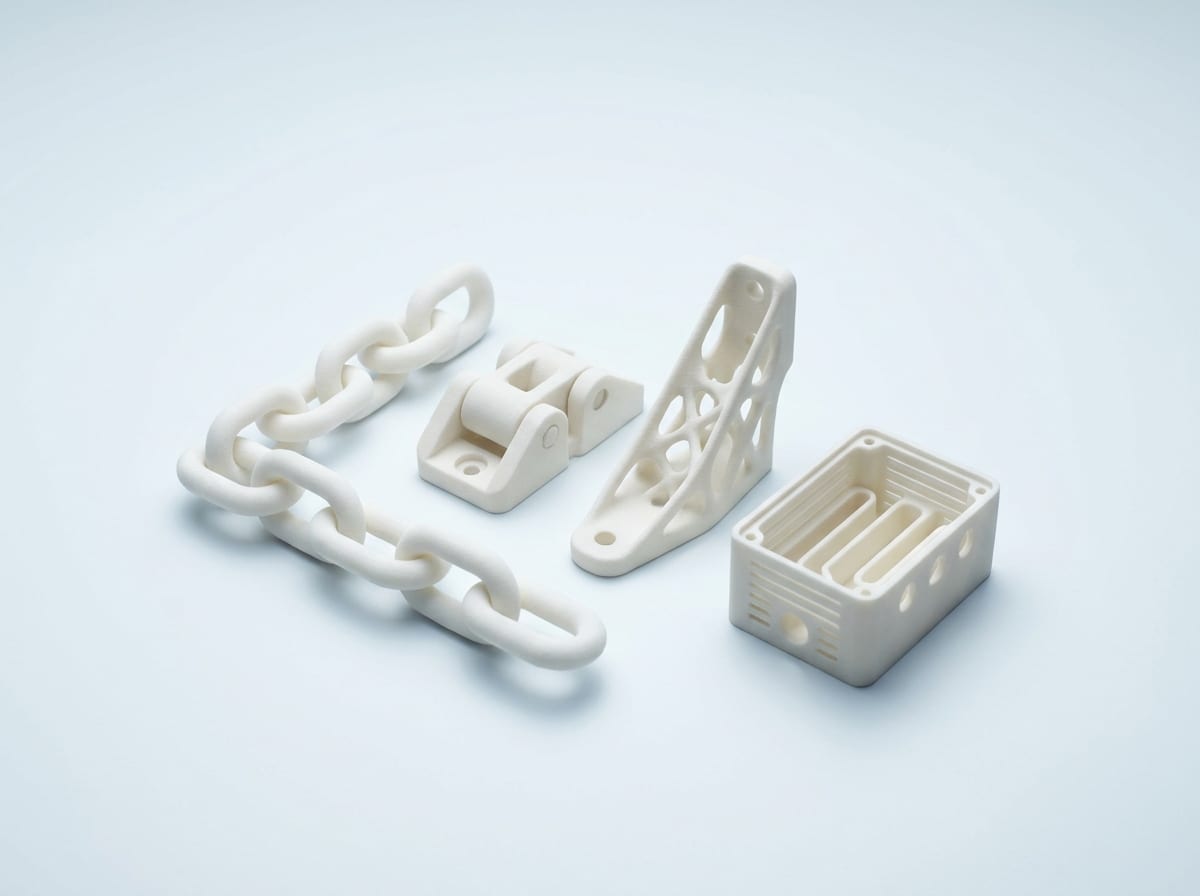
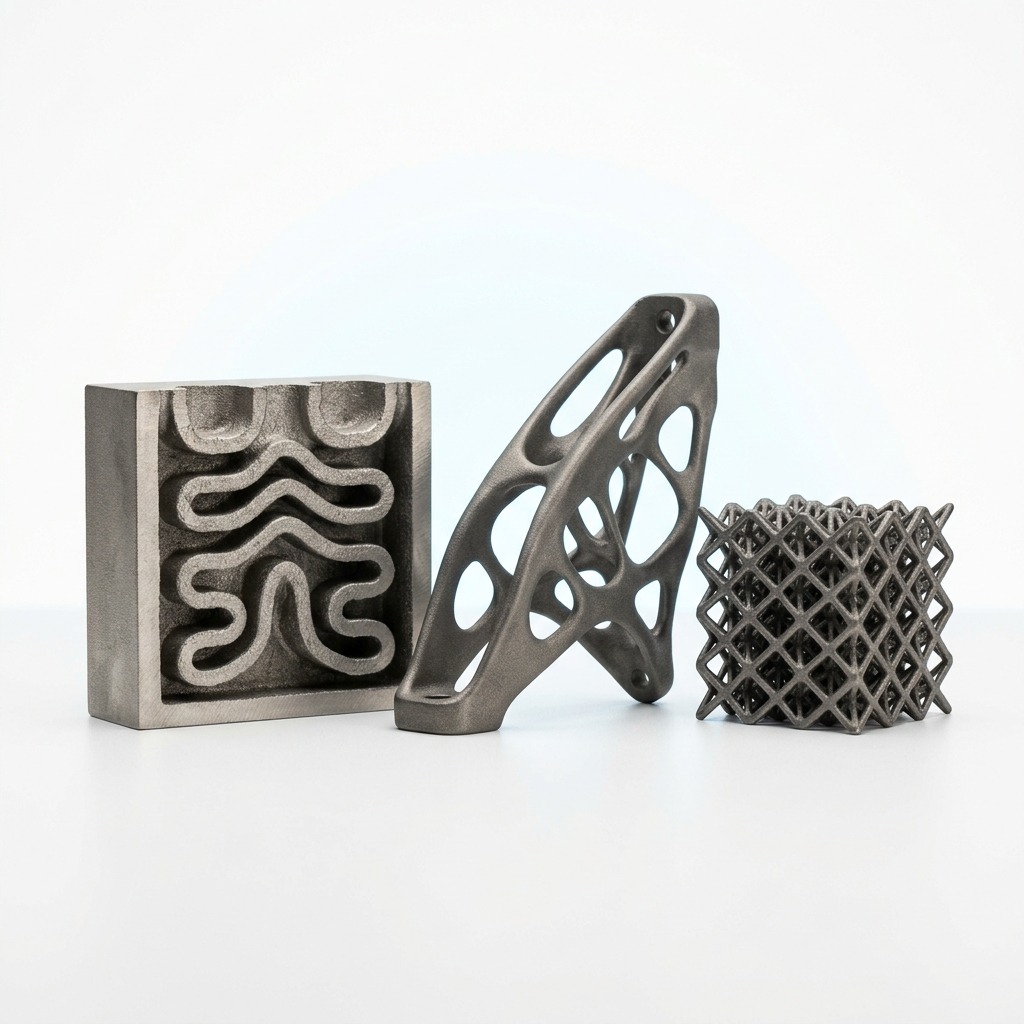
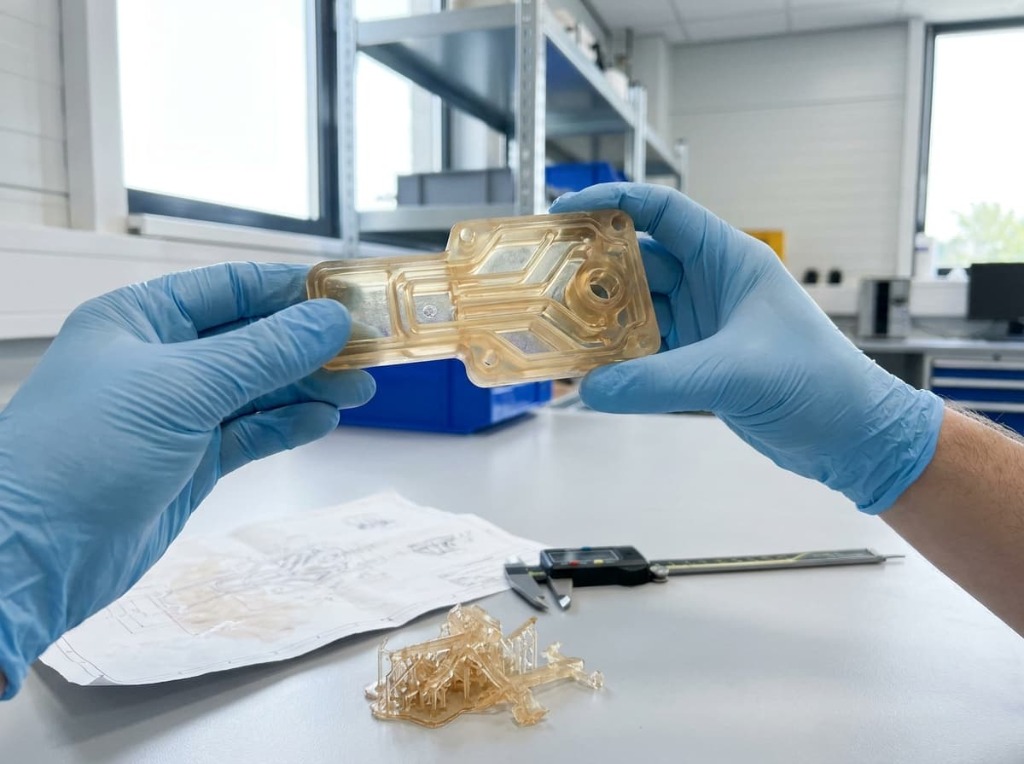
Selective laser sintering turns nylon powder into tough, production-ready parts without support structures or tooling. Enstark uses SLS for snap-fits, living hinges, internal channels and batches of hundreds of end-use components packed into a single build.
Get an Instant SLS 3D Printing Quote
Upload your CAD file for instant pricing and DFM feedback.
Drag & drop CAD files hereSTEP, STP, STL, IGS, IGES, PDF, ZIP — up to 15MB
No commitment required · DFM feedback included


SLS 3D Printing Materials
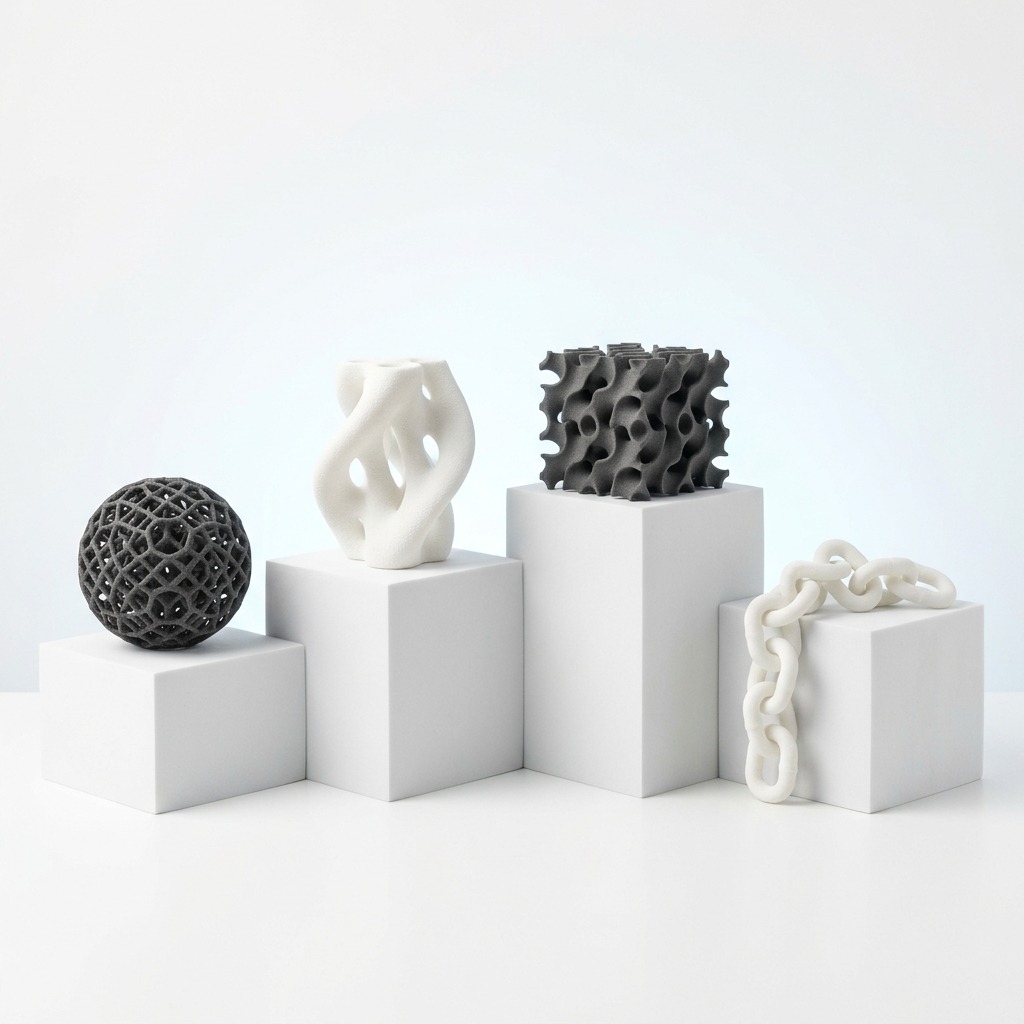
Our SLS range covers the four nylon-based powders that handle most production 3D printing work: general-purpose PA12, ductile PA11, stiff glass-filled PA12 and flexible TPU. Powder refresh ratios are controlled and recorded on every build, which keeps mechanical properties consistent from batch to batch.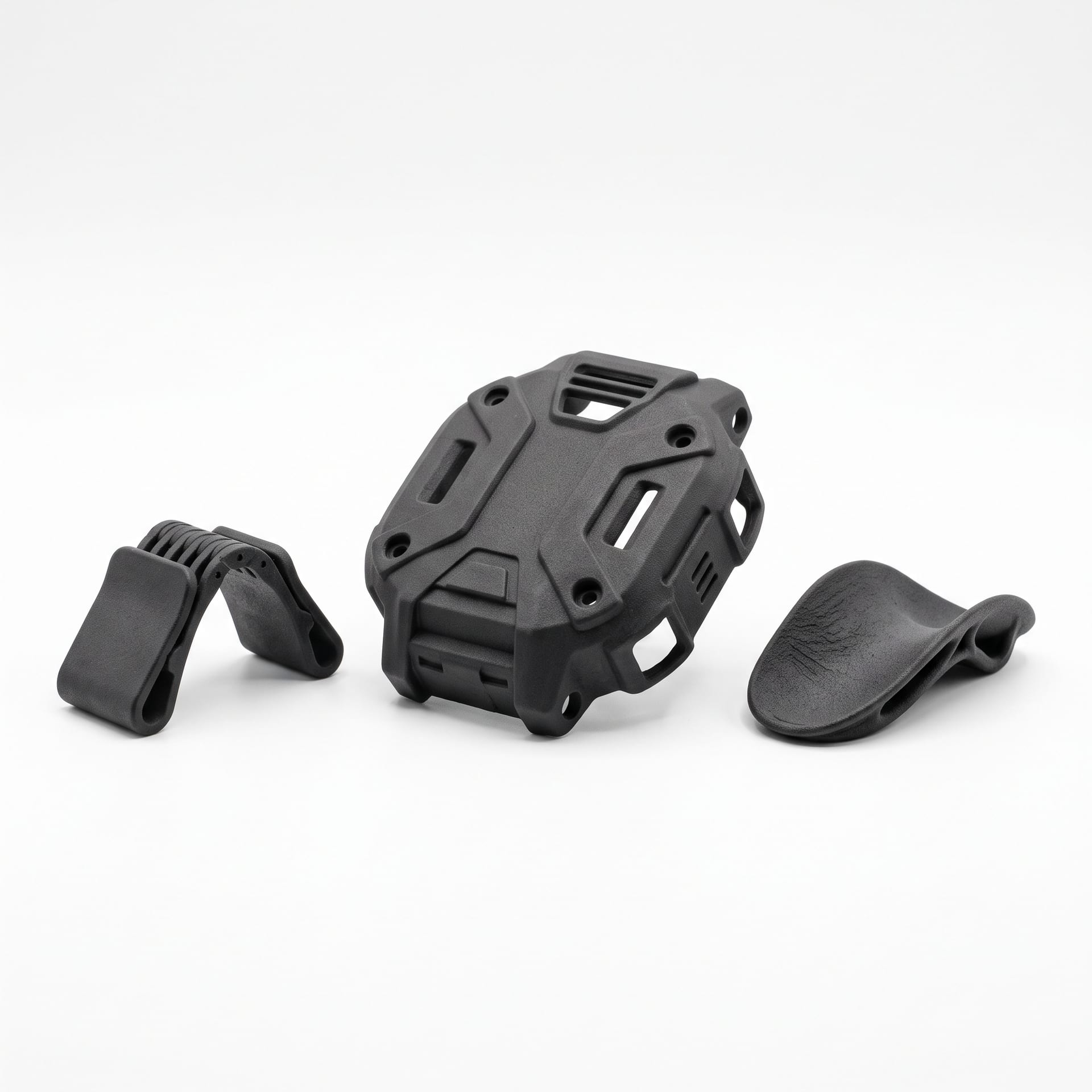

Pros and Cons of SLS 3D Printing
Pros of SLS 3D Printing
No Support Structures Required
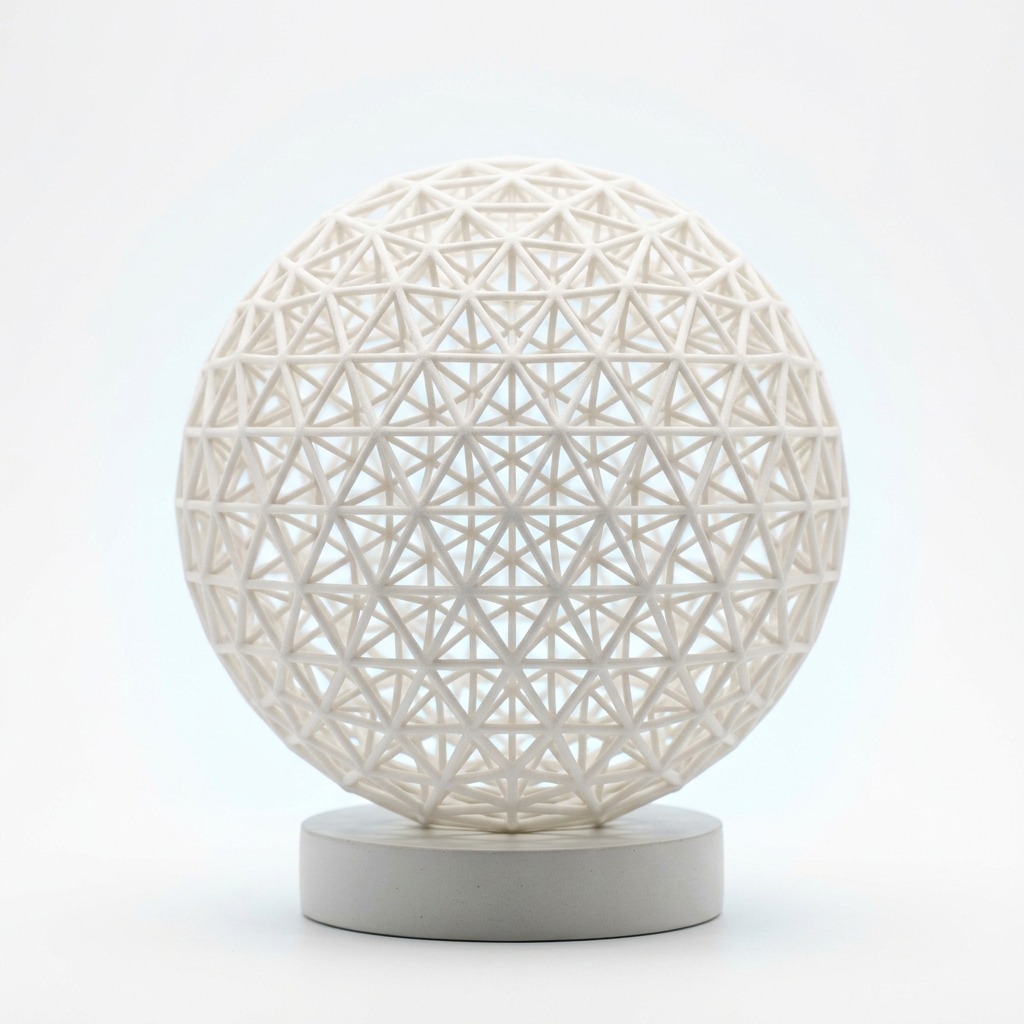
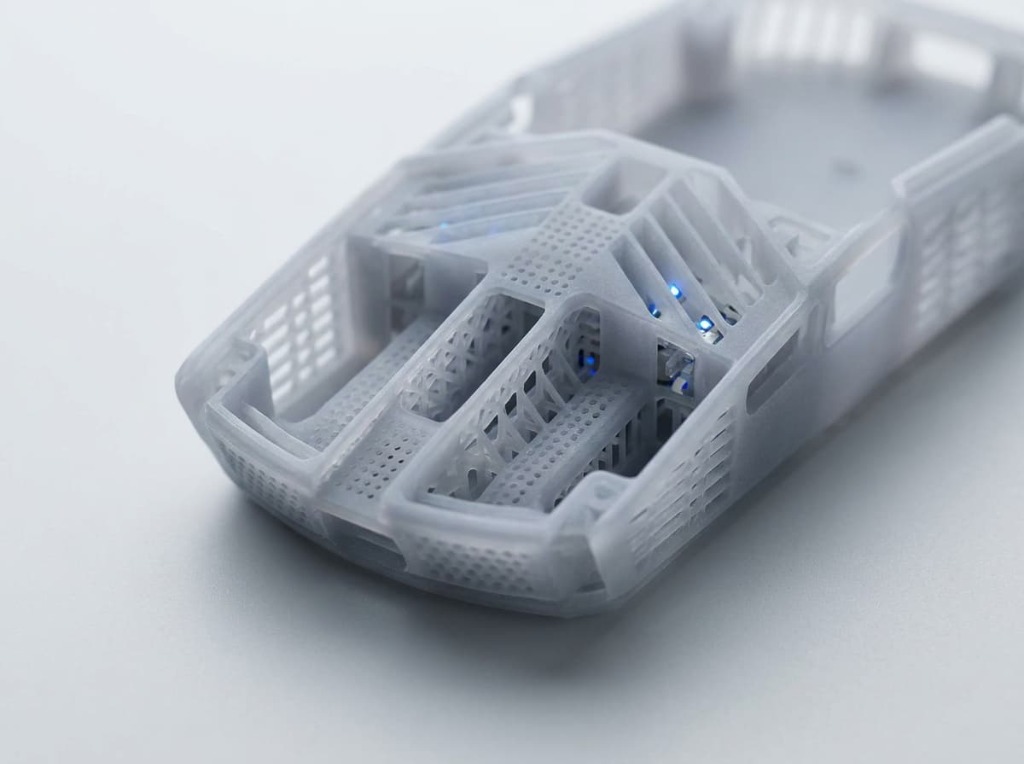
No support structures, which allows internal channels, lattices and print-in-place assemblies.
Strong Near-Isotropic Nylon
Strong, near-isotropic nylon parts ready for end use.
Economical Batch Production
Economical batch production through dense 3D part nesting in build volumes.
Cons of SLS 3D Printing
Grainy As-Sintered Finish
Grainy as-sintered surface that needs finishing for cosmetic faces.
Long Cooldown Cycles
Long cooldown cycles extend lead time compared with FDM.
Moisture Absorption
Nylon absorbs some moisture, which can slightly affect dimensions in high humidity.
frequently Asked Questions.
What is SLS 3D printing used for?
How accurate is SLS 3D printing?
What is the difference between PA12 and PA11?
Are SLS parts watertight?
Can SLS replace injection molding for low volumes?
Can SLS parts be colored?
How long does SLS 3D printing take?
What is the difference between SLS and MJF?