Enstark Logo
Enstark Injection Molding

Precision Insert Molding

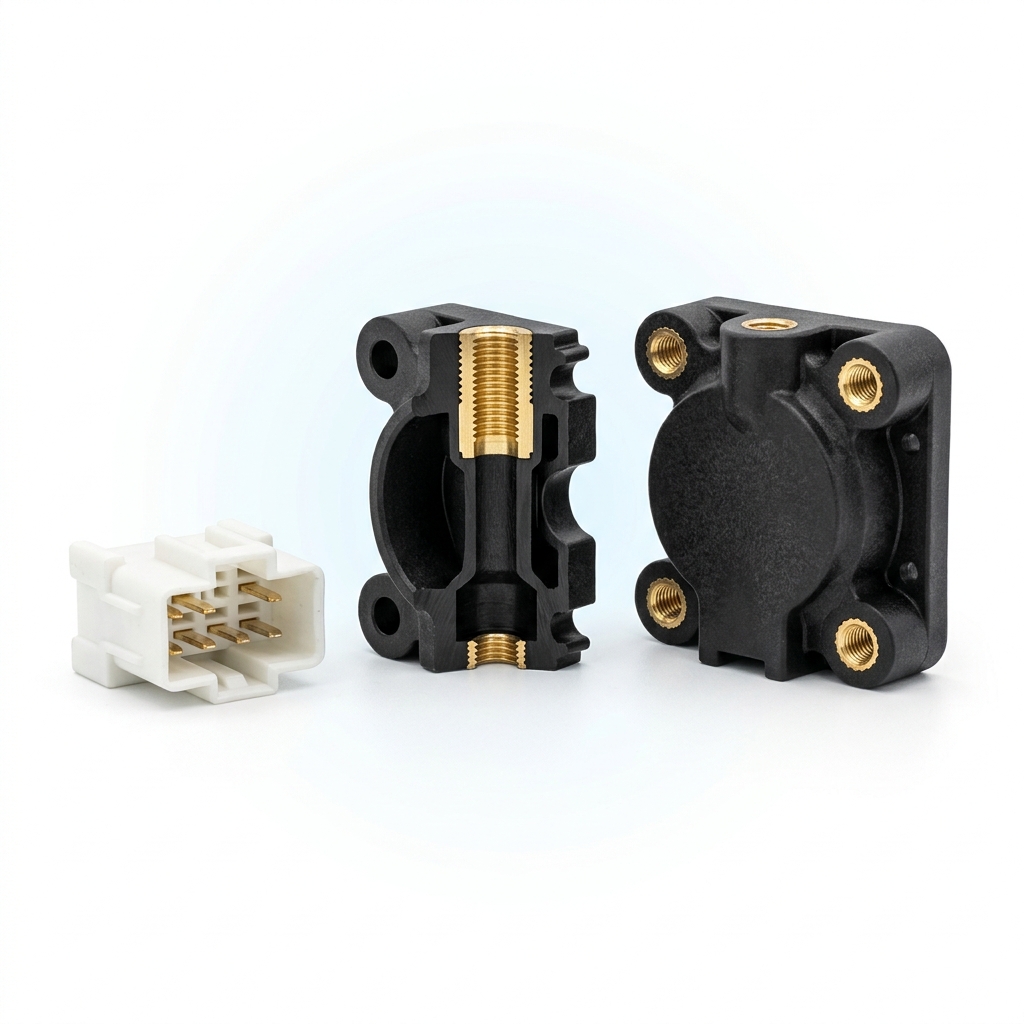
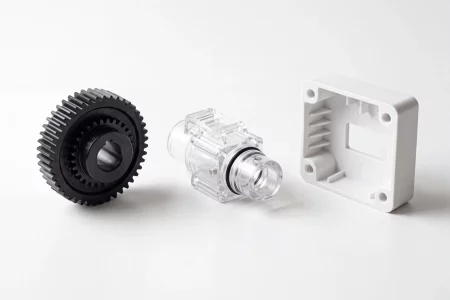
Encapsulate brass, stainless steel, or aluminum metal terminals, bushings, and electrical contacts directly into high strength thermoplastics during the molding cycle.

✓
Brass, Stainless, or Aluminum Inserts
✓
ISO 9001:2015 Certified
✓
Eliminates Post Assembly

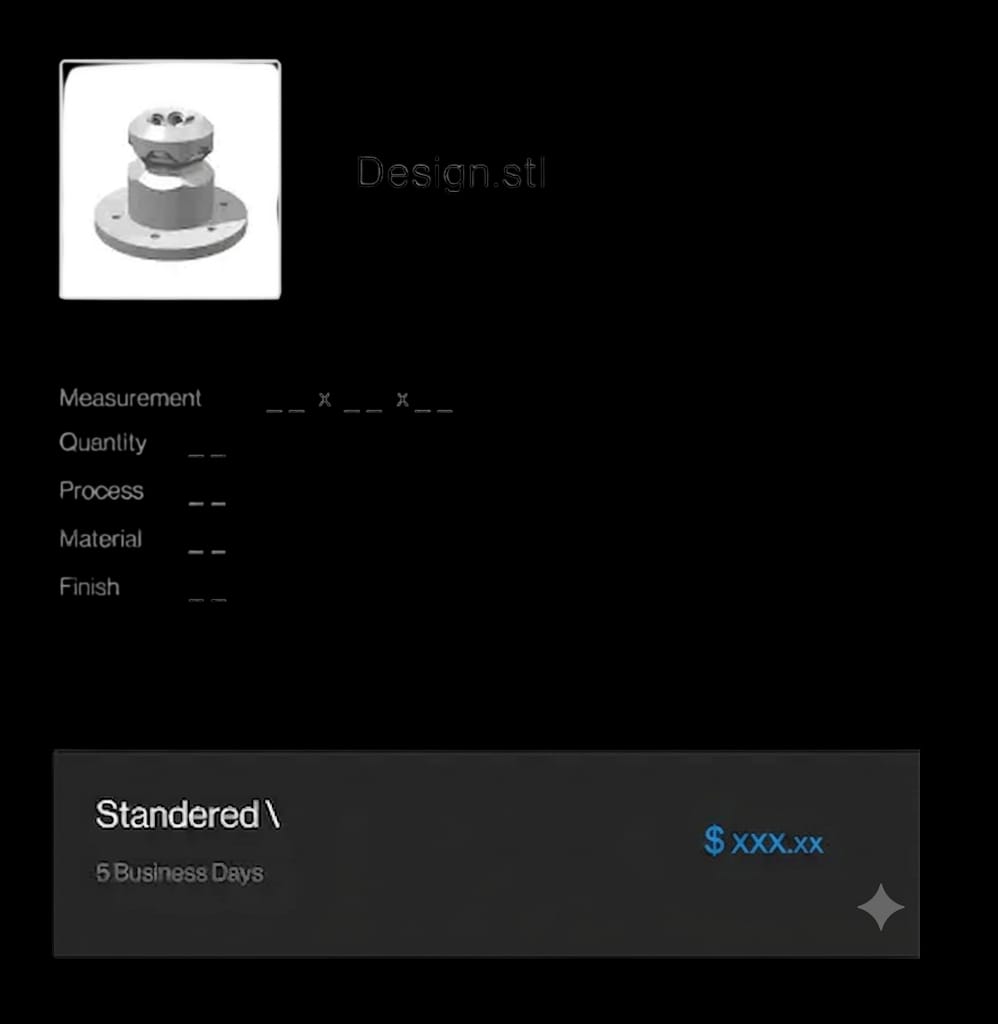
Get an Instant Insert Molding Quote

Upload your CAD file with insert placement for instant DFM review.

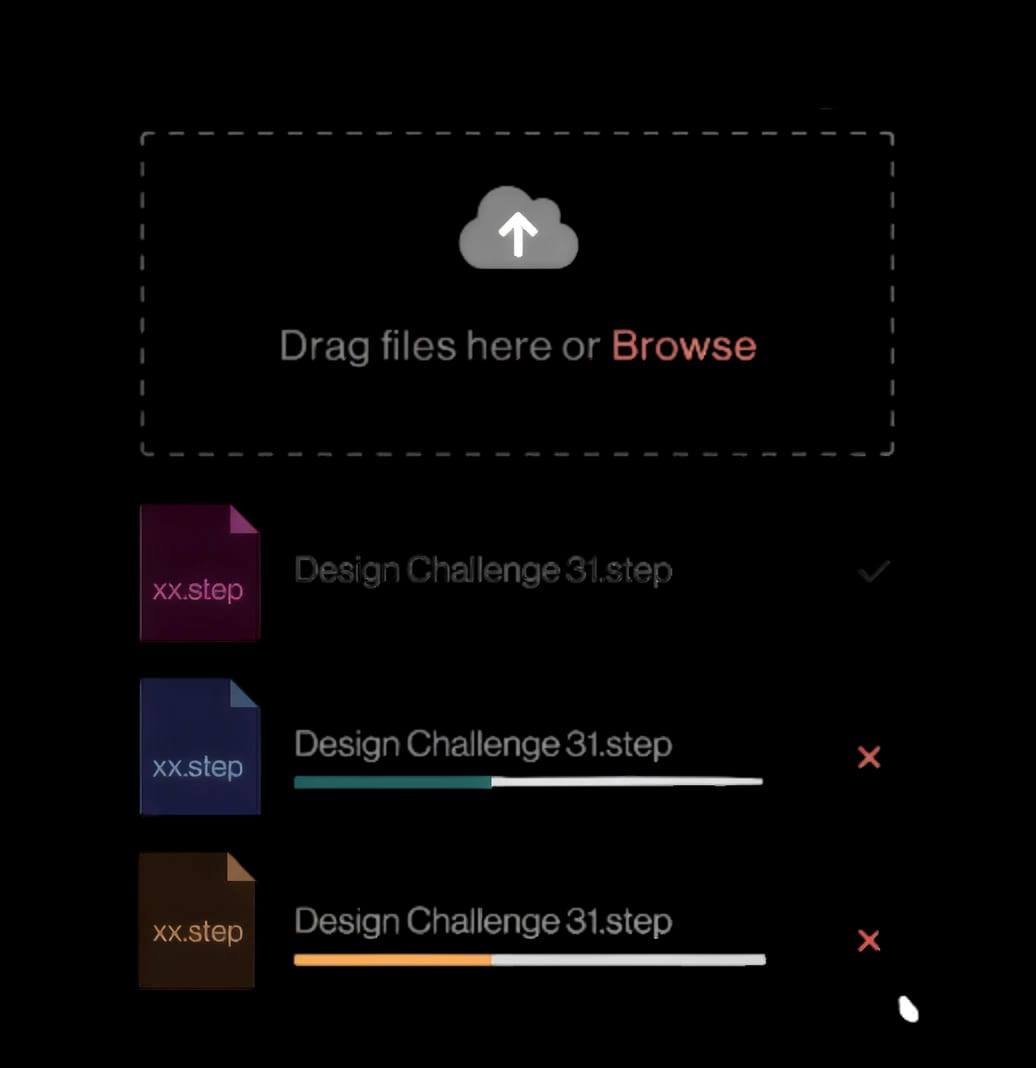
Drag & drop CAD files hereSTP, STEP, STL, IGS, PDF, ZIP — up to 50MB
No commitment required · DFM feedback included
Huawei Technologies
Samsung Electronics
Tata Motors
Delta Electronics
Lens Technology
Eveready Industries
Beijing Institute of Technology
Ansell LTD
NRTC
Chantelle
PT Wings Surya
PT Sun Paper Source
PT Supreme Paper Solution
Huawei Technologies
Samsung Electronics
Tata Motors
Delta Electronics
Lens Technology
Eveready Industries
Beijing Institute of Technology
Ansell LTD
NRTC
Chantelle
PT Wings Surya
PT Sun Paper Source
PT Supreme Paper Solution

Insert Materials and Installation Methods

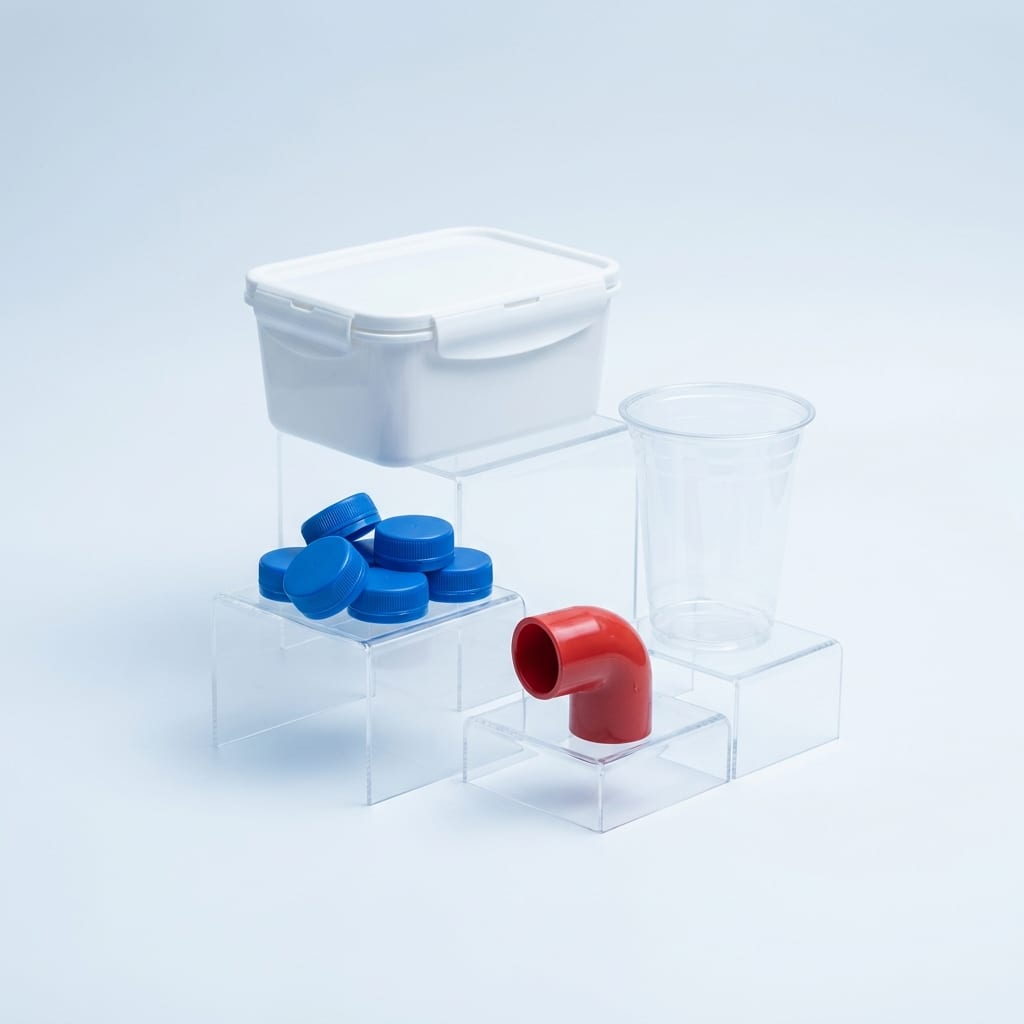
The insert material and installation method you choose affects pull out strength, torque capacity, and part cost. We help you select the right combination for your load requirements.
Explore Insert Options
Molded In Inserts

Molded In Inserts

Inserts placed on core pins before the shot, fully encapsulated by resin during molding.
Delivers the best available pull out and torque out performance with no secondary installation step required.

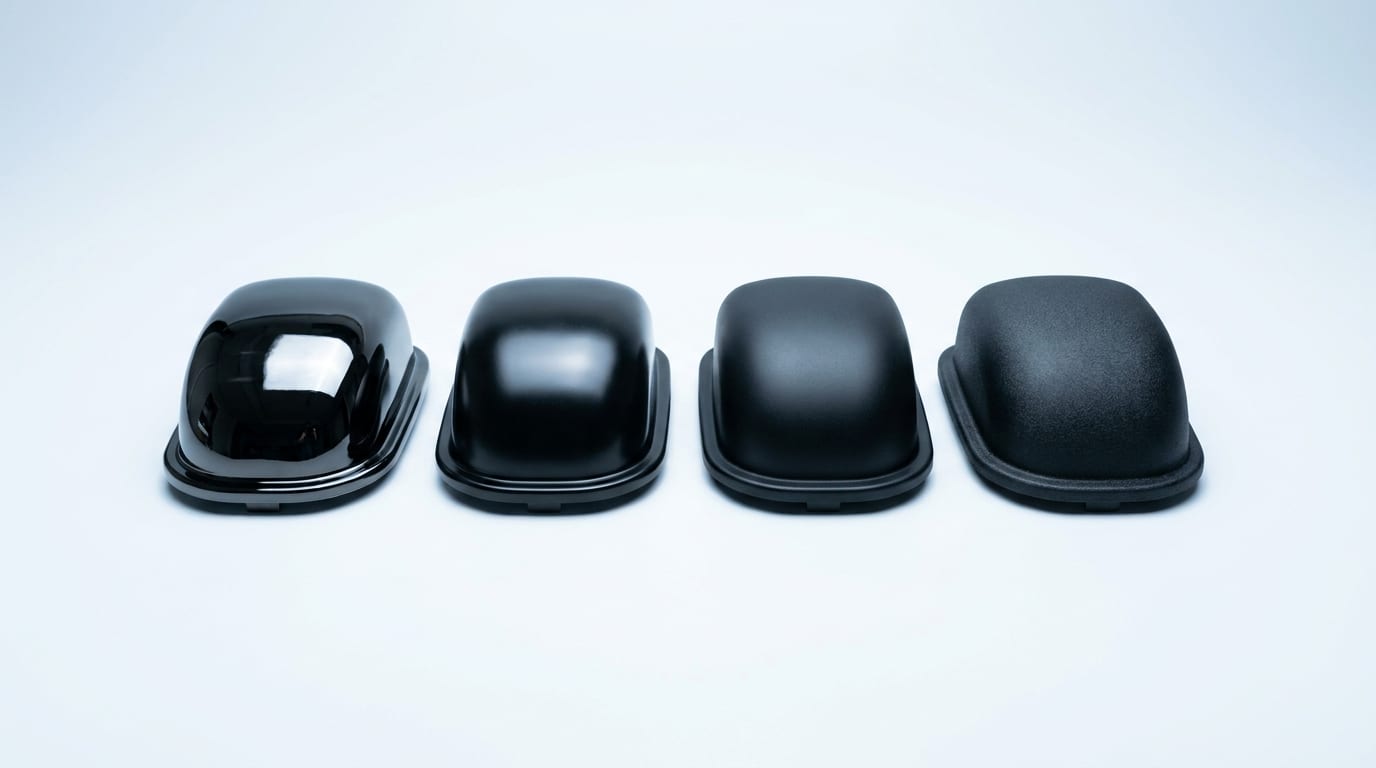
Insert Molding Finishes and Post Processing

Finishing options applied to the molded plastic body, while the insert itself typically ships in its native plated or bare metal finish.
Insert Plating Options

Insert Plating Options

Plating TypesBare, nickel plated, or zinc plated brass
FunctionCorrosion resistance & electrical conductivity
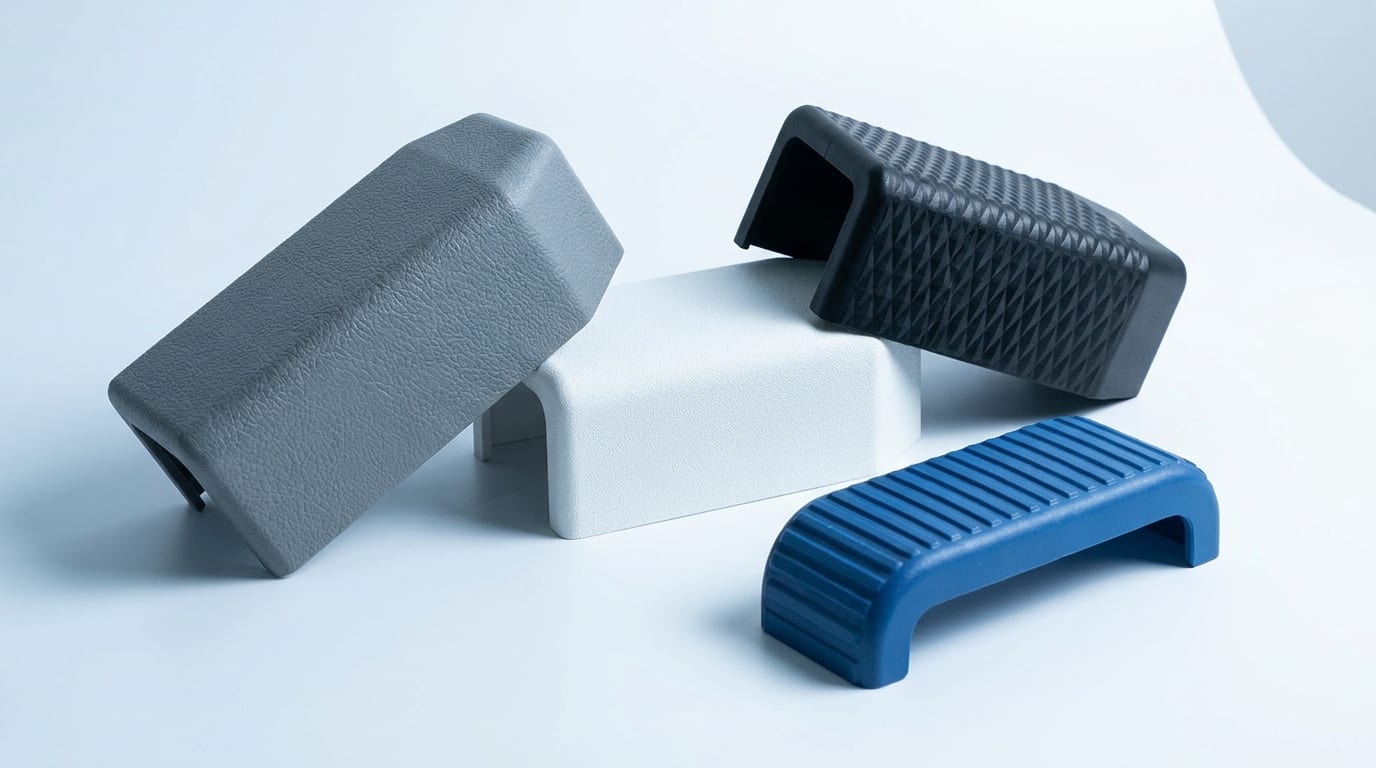
Boss Wall Cosmetic Finish

Boss Wall Cosmetic Finish

TexturingTextured or smooth finish around insert boss
CosmeticsHides minor flash at metal-to-plastic transition
Secondary Marking

Secondary Marking

Marking MethodsPad printing or laser marking on molded body
PrecisionProtects insert thread & contact surfaces

Insert Molding for
Various Industries

From threaded mounting bosses in consumer electronics to electrical terminals in automotive connectors, Enstark molds inserts to required retention strength.

Insert Molding Quality Control

Insert retention gets verified before a tool goes into production, not discovered when a customer's fastener strips out.

⬡
Insert Placement & Boss Design ReviewBefore machining, we confirm insert length and diameter against your pull out and torque out requirements, and size boss wall thickness accordingly.
◎
In Process Insert VerificationInsert seating and orientation are checked during the run, catching a misplaced or missing insert before it reaches final inspection.
→
Final Pull Test InspectionEvery batch is sample tested with a pull test alongside standard dimensional inspection, confirming retention strength before parts ship.
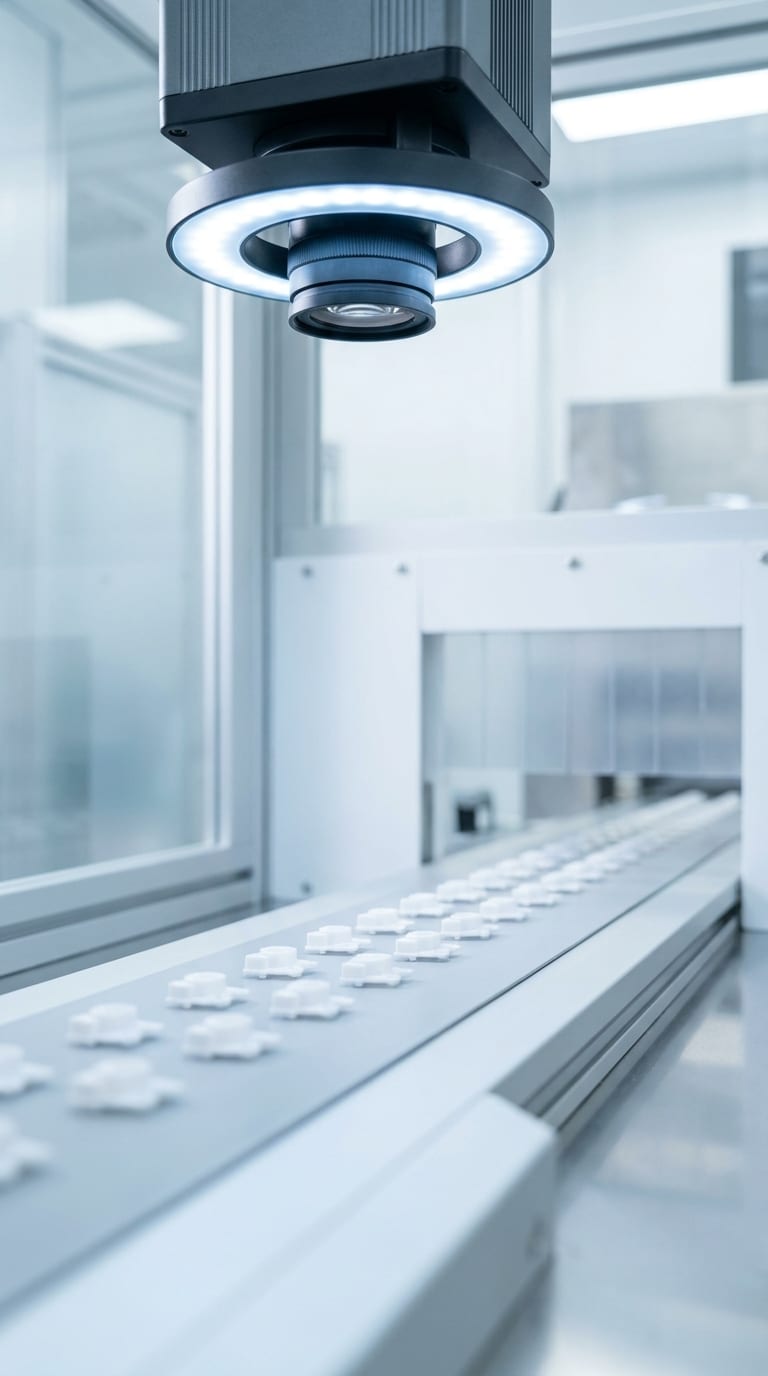
Injection Molding Quality Control 1
Injection Molding Quality Control 2
Injection Molding Quality Control 3
Rectangle 3468096

Custom Insert Molding Built for Reliable Assembly

Enstark molds inserts directly into your plastic part, eliminating a downstream assembly step and the failure risk that comes with it.

Our engineers size boss wall thickness, insert length, and knurl engagement against your actual pull out and torque out load requirements before steel is cut, rather than reusing a generic insert spec across every project.

How Enstark's Insert Molding Process Works

From insert callout CAD review to pull-test verified T1 sampling and production release.
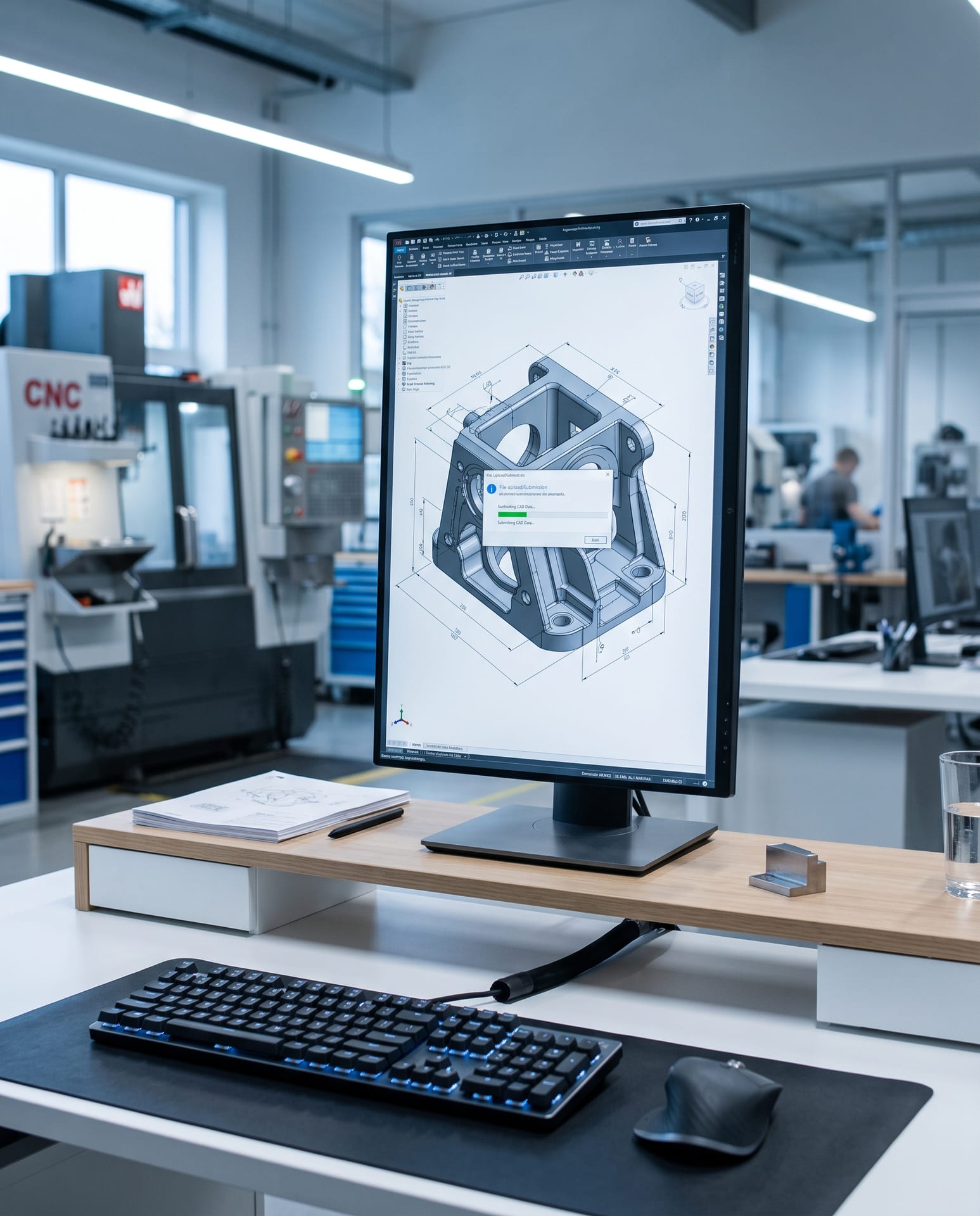
Upload CAD File

/01

Start by uploading your part geometry with insert type, size, and placement called out.

Upload CAD File

Get a Quote

/02

We review the boss wall thickness and insert placement for moldability, then return online pricing and DFM feedback in as fast as one day.

Get a Quote

Review T1 Sample

/03

We produce a T1 sample with inserts installed and pull test a sample to confirm retention strength before releasing to production.

Review T1 Sample

Production Begins

/04

After approving the sample, we begin full scale production, holding the same insert retention and dimensional accuracy validated at T1.

Production Begins

Delivery

/05

We ship your insert molded parts from our China facility to your location, tracked door to door.

Delivery

Ready to Start

/06

Your insert molding project with Enstark. Experience engineering like never before.

Ready to Start

Injection Molding Manufacturing Network

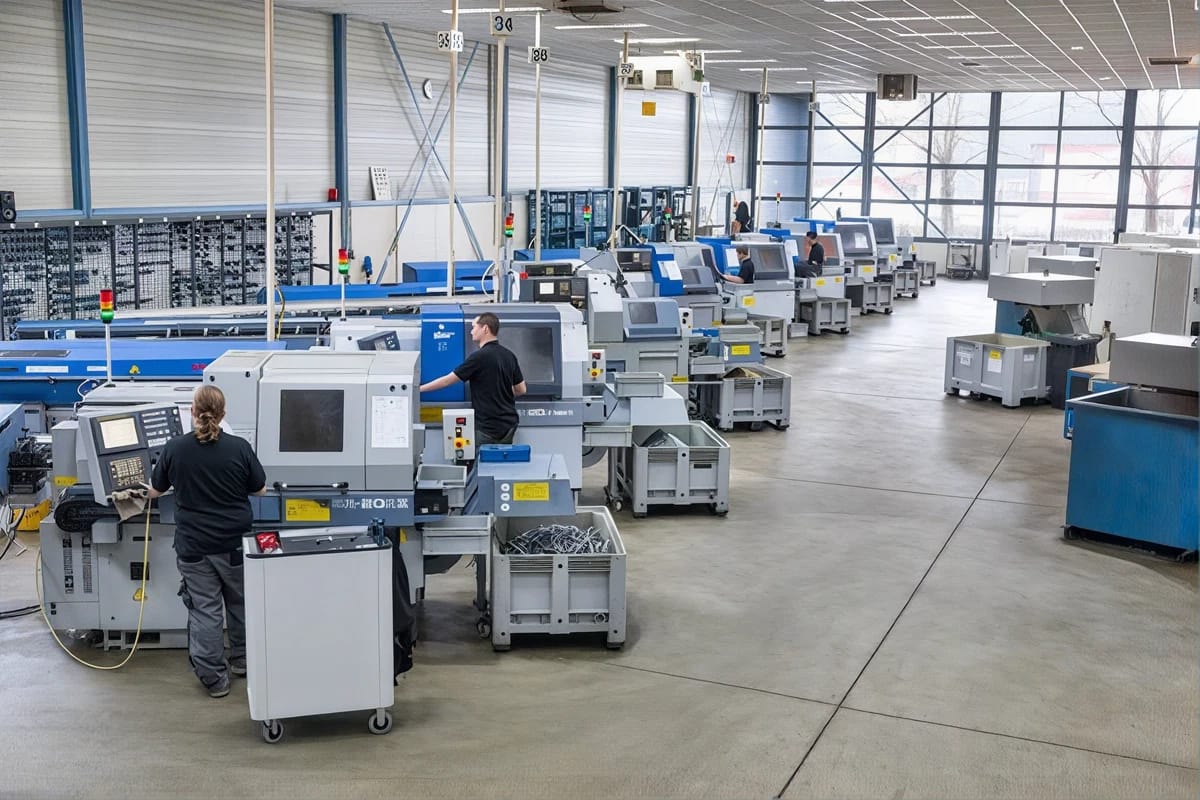
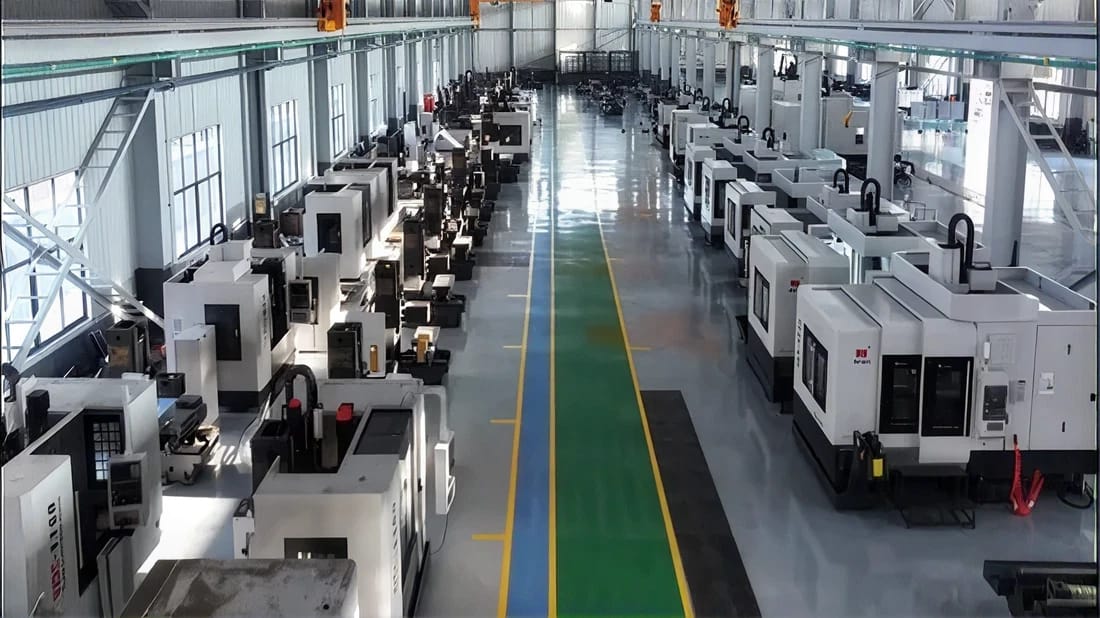
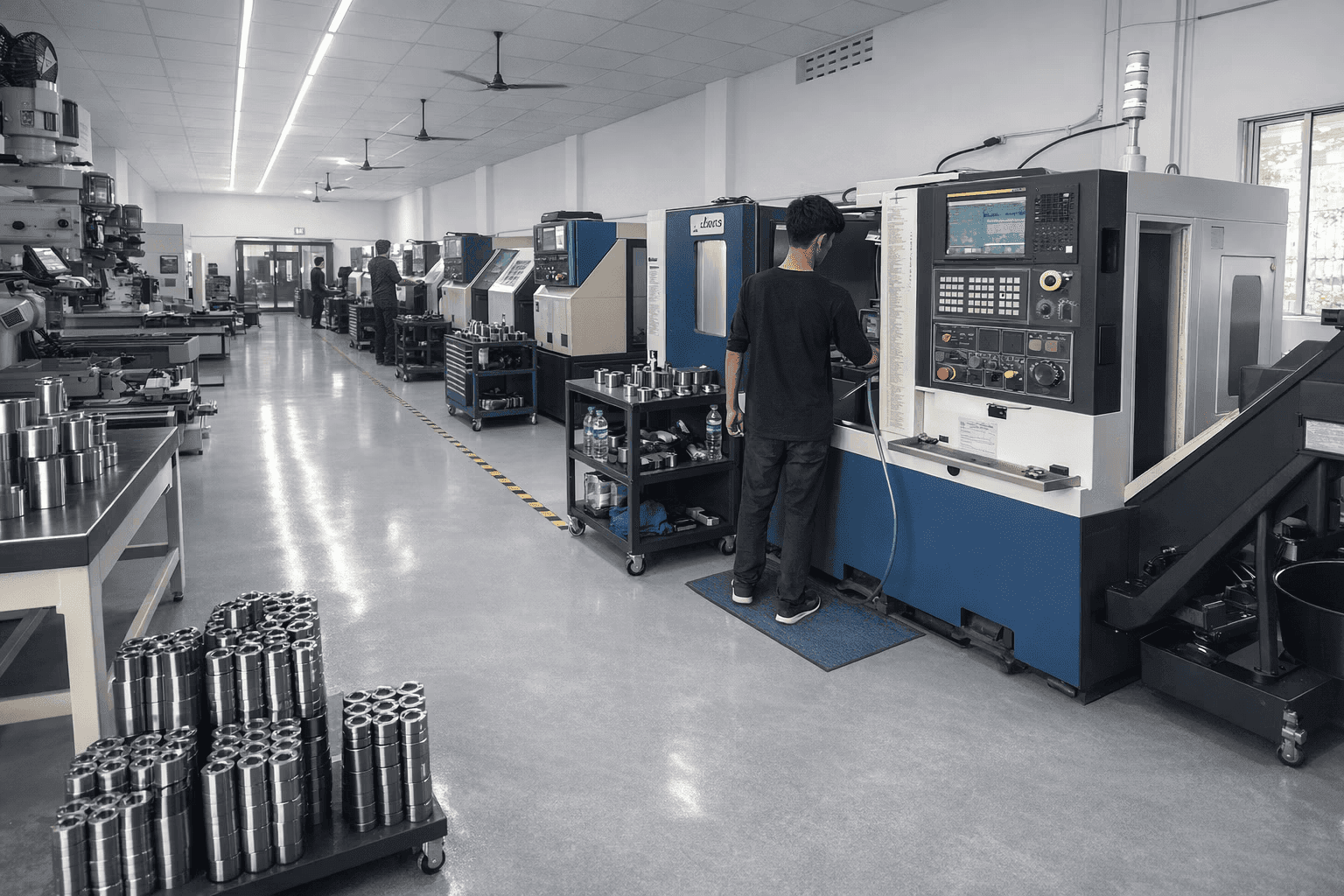
ENSTARK injection molding network combines 50 advanced machines capable of 90 to 830 tons with experienced project managers to handle projects of any size or complexity. We produce plastic molded prototypes and production parts with global shipping from China’s injection molding supplier.
50+Machines Set
120+Countries & Regions Served
20k+Customers Worldwide
Global Injection Molding Manufacturing Network Map

Insert Molding Capabilities

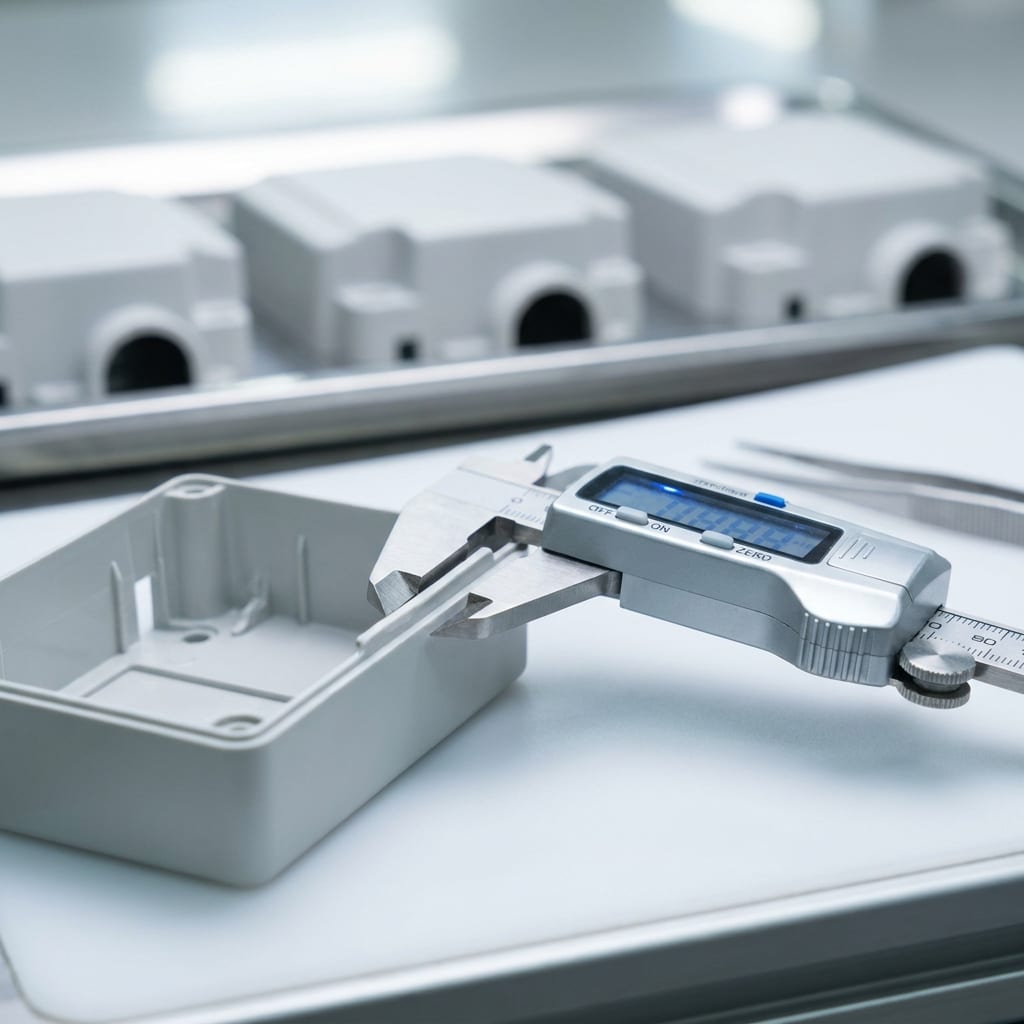
Our insert molding service covers insert placement, molding, and pull test verification under one roof, with tight tolerances and quick lead times.
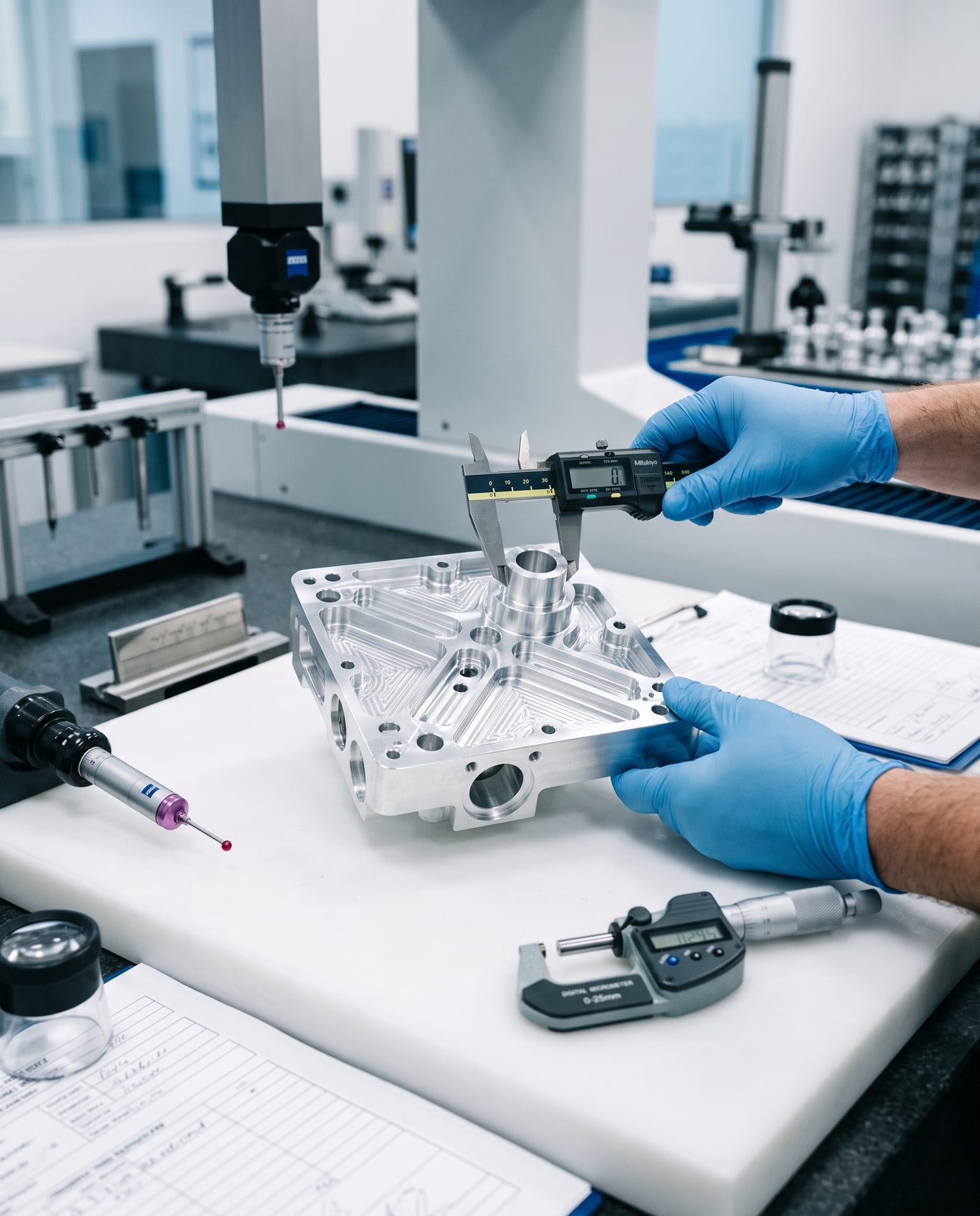
Image (Digital caliper measuring a precision machined part)
Scroll horizontally to view specs
StandardsDescription
Installation MethodsMolded in, heat set, ultrasonic, press fit
Insert MaterialsBrass, stainless steel, aluminum
Insert SizingM2 to M10 threaded inserts, custom terminals and bushings
Minimum Boss Wall Thickness0.8mm around insert diameter
Pull Out VerificationSample pull tested to confirm retention strength
Dimensional Tolerance±0.05mm
Available Mold TypesSingle cavity, multi cavity insert tooling
Lead Time15 to 20 working days for tooling

Applications of Insert Molding

ENSTARK’s injection molding infrastructure supports high-precision component production across automotive, medical devices, consumer electronics, and industrial equipment.

Start Your Project
Applications of Insert Molding
Advantages of Insert Molding
• Eliminates Secondary AssemblyInserts are encapsulated during molding rather than pressed or screwed in afterward.
• Best Available RetentionMolded in inserts achieve the highest pull out and torque out strength of any installation method.
• Reduced Part CountA metal terminal or bushing and its plastic housing become one part instead of two.
• Reliable Repeat AssemblyA threaded metal insert withstands far more assembly and disassembly cycles than plastic threads alone.
Disadvantages of Insert Molding
• Slower Cycle TimePlacing inserts on core pins before each shot adds time compared to a standard molding cycle.
• Higher Tooling ComplexityInsert locating features in the mold add cost compared to a simple cavity.
• Insert Cost Adds Up at VolumeEven a low cost brass insert becomes a meaningful per part cost across a large production run.
• Placement Errors Are CostlyA misplaced or skipped insert scraps the part, unlike a defect that can sometimes be reworked.

Frequently Asked Questions

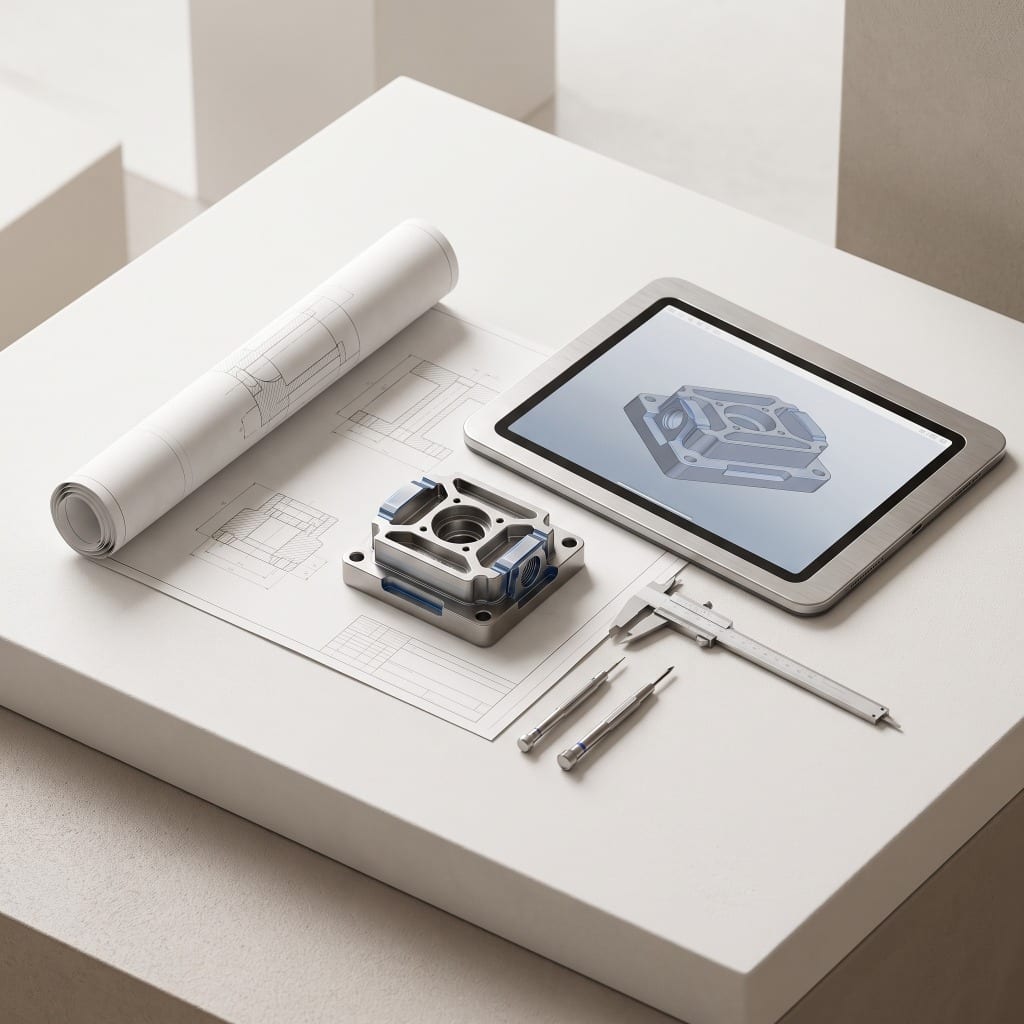
Injection Molding Blueprint & CAD Review
What is the difference between molded in and heat set inserts?

Molded in inserts are placed on core pins and encapsulated by resin during the actual molding shot, giving the best possible pull out and torque out performance with no secondary step. Heat set inserts are installed after molding using a heated driver that re melts the boss wall around the insert, a good option for lower volumes where dedicated insert tooling isn't justified.

What insert material should I use, brass, stainless steel, or aluminum?
What determines an insert's pull out and torque out strength?
How do you verify insert retention before production?
Can inserts be installed after molding instead of during it?
What is the minimum boss wall thickness for insert molding?
Do you offer material certificates or pull test reports?